
Making game consoles seems like a profitable business, but very few companies actually do it. The reality is much harder than it looks. The main reason is the huge upfront costs and long-term strategies needed. Companies must sell consoles at a loss initially, making profits later through games, accessories, and subscriptions. While the gaming market is growing, entering the console business requires deep pockets and patience. Let's explore why this industry has so few players.
What Was The Golden Age Of Game Consoles?
The late 90s and early 2000s saw many console manufacturers competing fiercely. Dozens of companies tried to enter this space. This period had more competition because manufacturing was simpler and cheaper. Companies could release hardware without needing online services or complex ecosystems.
During this era, many manufacturers experimented with different approaches:
| Company | Console | Unique Feature | Outcome |
|---|---|---|---|
| Sega | Dreamcast | First with built-in modem | Discontinued |
| SNK | Neo Geo | Ultra-premium pricing | Niche success |
| Panasonic | 3DO | CD-based architecture | Failed |
| Atari | Jaguar | 64-bit claims | Commercial failure |
These attempts show how difficult it was even during the "golden age." Most companies couldn't sustain the losses required to build a user base.
Why Is There A Console Shortage Now?
Recent years have seen shortages despite high demand. Why don't more companies fill this gap?
Supply chain issues and component shortages hit console manufacturing hard. Established players struggle to meet demand, making entry even harder for newcomers.
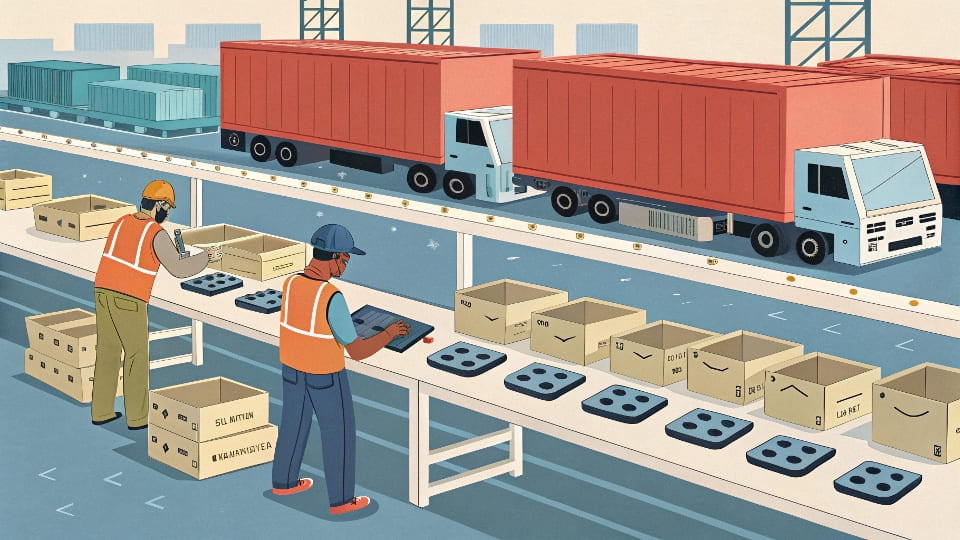 Several factors make shortages worse:
- Chip manufacturing1: Modern consoles need advanced chips that only a few factories can make
- Shipping costs2: Global logistics problems increase prices
- Scalpers: Limited supply gets bought by resellers
- Pandemic effects: Factories faced shutdowns and delays This perfect storm means even successful companies can't produce enough units. For a new entrant, securing manufacturing capacity would be extremely difficult.
Why Do Only A Few Players Dominate Today?
The market seems locked by Sony, Microsoft, and Nintendo. What gives them this advantage?
These companies created complete ecosystems that are hard to replicate. They combine hardware, software, services, and developer relationships.
 Here's what keeps the big three dominant:
- First-party studios3: They own famous game franchises
- Online services4: Monthly subscriptions generate steady income
- Brand loyalty: Gamers invest heavily in one ecosystem
- Retail partnerships: Store shelves prioritize established brands
- Developer support: Easy to make games for popular platforms Breaking this cycle requires billions in investment across all these areas simultaneously. Most companies can't afford this risk.
Could New Players Still Succeed?
With all these challenges, is there any room for new console makers?
Success requires focusing on underserved niches rather than competing directly. The market still has gaps the big three ignore.
 Potential opportunities include:
- Retro gaming5: Specialized hardware for classic games
- Cloud gaming6: Devices designed specifically for streaming
- Educational: Consoles focused on learning through play
- Emerging markets: Lower-cost options for developing countries
- Custom controllers: Hardware catering to specific game genres The key is finding a passionate audience neglected by major players. Success comes from depth rather than breadth.
Conclusion
Making game consoles requires huge investment and patience few companies have. New entrants should target specific niches rather than challenge the established giants directly.
Understanding chip manufacturing challenges can provide insights into the complexities of console production. ↩
Exploring shipping costs will reveal how logistics issues impact pricing and availability of products. ↩
Understanding first-party studios can reveal how they shape gaming franchises and influence market dominance. ↩
Exploring the role of online services can provide insights into revenue models and gamer engagement strategies. ↩
Explore this link to discover specialized hardware options that enhance your retro gaming experience. ↩
Check out this resource to find devices specifically designed for seamless cloud gaming. ↩