
Retro handhelds are selling well, but many B2B buyers still make one costly mistake: they only think about their wholesaler price and forget the final consumer. That creates bad product selection, weak listings, and slow inventory turnover. The solution is simple: understand who actually buys these devices, then source products around real demand.
In 2026, the main buyers of retro handhelds are millennial nostalgia buyers aged 30–45, Gen Z style-driven buyers aged 18–28, and high-value collectors. For B2B sellers, the best strategy is to match product specs, pricing, packaging, and marketing content to these three end-consumer groups instead of buying only the cheapest models.
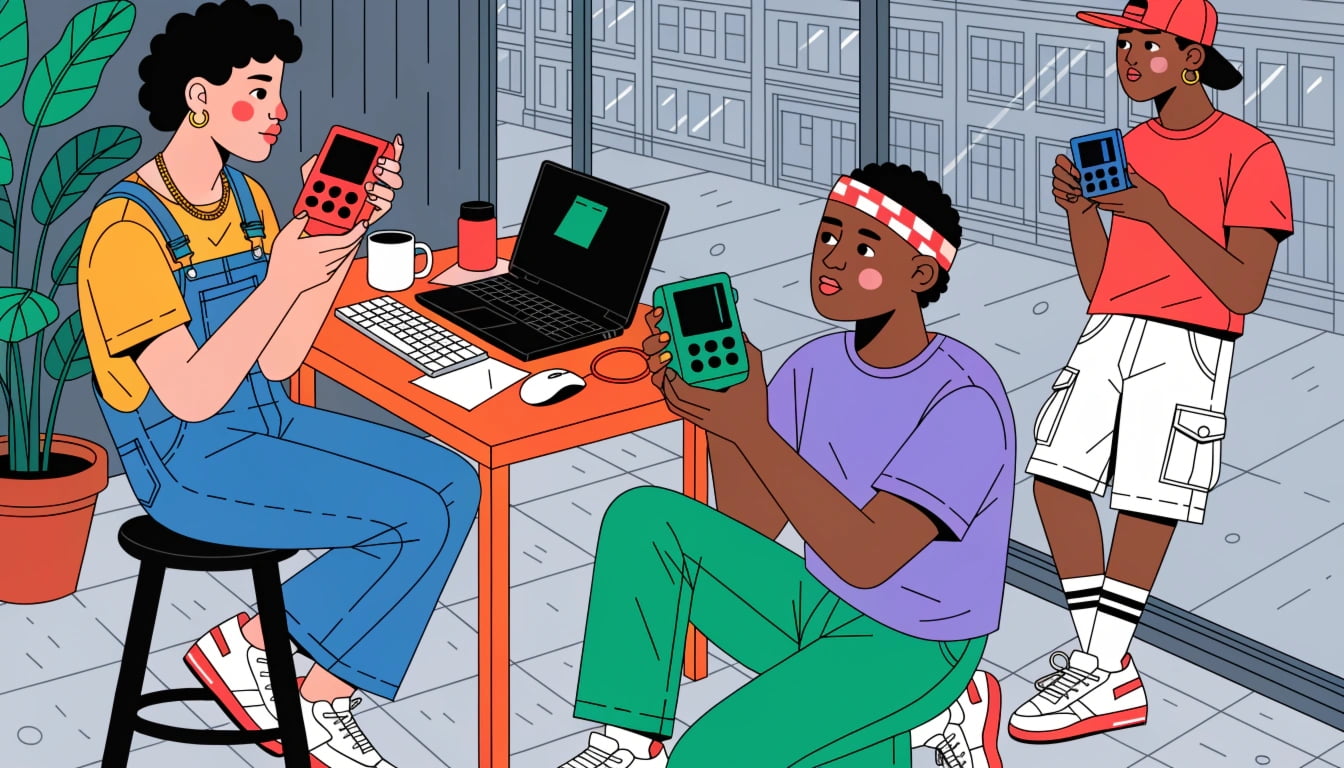
I work with buyers who sell into very different markets, from Amazon stores to regional distributors. One thing keeps showing up: the most profitable B2B customers are not just good at negotiation. They are good at reading end consumers. That skill helps them choose the right screen, shell color, packaging, and price point before competitors react.
What handhelds are coming out in 2026 for retro handhelds buyers?
New handhelds come out fast, and that creates pressure for B2B buyers. If I choose too early, I may stock outdated products. If I wait too long, I may miss the hot selling window. The smarter move is to track product categories, not only model names.
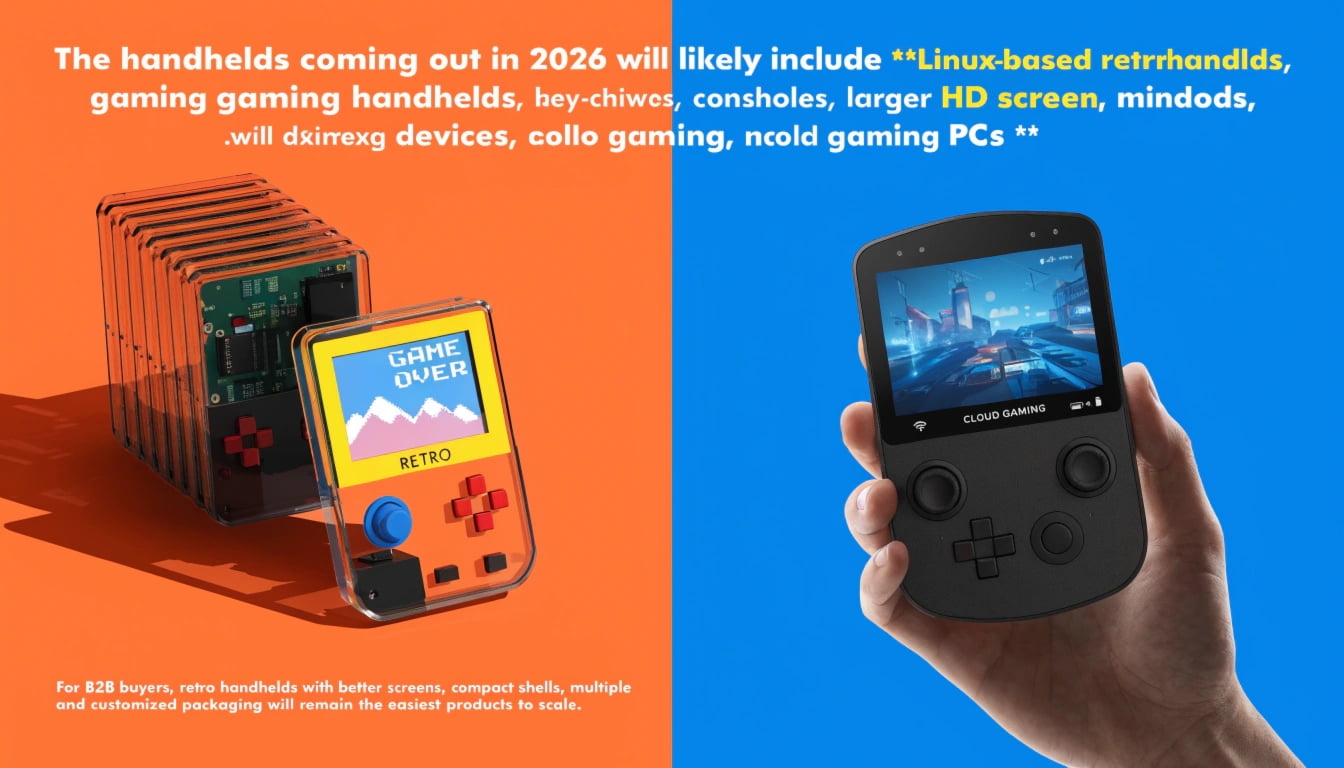
The handhelds coming out in 2026 will likely include Linux-based retro handhelds, Android gaming handhelds, mini keychain-style consoles, larger HD screen models, cloud gaming devices, and Windows handheld PCs. For B2B buyers, retro handhelds with better screens, compact shells, multiple colors, and customized packaging will remain the easiest products to scale.
Why 2026 product planning should start with consumer groups
I see many buyers ask, “What is the newest model?” That is a fair question. But I think the better question is, “Who will buy this model after it leaves my warehouse?”
For 2026, I divide end consumers into three groups.
| End Consumer Group | Age Range | Main Buying Reason | Best Product Direction | B2B Opportunity |
|---|---|---|---|---|
| Millennial nostalgia buyers | 30–45 | Childhood memories, family sharing | Better screen, solid controls, retro packaging | Higher margin, better reviews |
| Gen Z style buyers | 18–28 | Looks, social content, portability | Mini size, multiple colors, cute design | Fast growth, strong TikTok potential |
| Collectors and enthusiasts | Mixed ages | Limited editions, new releases, community status | Special colorways, premium feel, early access | Small volume, high influence |
1. Millennial nostalgia buyers want quality, not just low price
This group is the core market for retro handhelds. From our factory-side customer feedback, I see buyers aged 30–45 making up more than 60% of end demand in many retro product lines.
They grew up with Game Boy, GBA, and early console culture. Now they have income. They are buying for themselves, but they are also buying for their kids.
I hear this buying scene again and again:
“This is what Dad played when he was young.”
That one sentence is powerful. It turns a small gaming device into a family story. For B2B sellers, that means the product cannot feel too cheap. This customer may accept a factory-priced product, but he still expects a good experience.
For this group, I would prioritize:
- IPS screen or clear HD display
- Comfortable buttons and D-pad
- Stable software
- Good battery life
- Retro-style gift box
- Clear English manual
- Low defect rate
This buyer is willing to pay more for a better feeling product. So if you only compete on the lowest price, you may actually lose the best customer segment.
2. Gen Z buyers want beauty, portability, and shareability
Gen Z buyers are different. Many of them did not grow up with GBA. Some were born after those original devices were already discontinued. So their purchase is not pure nostalgia.
They buy retro handhelds because the product looks good, feels fun, and works well in short video content.
In the past year, retro handheld unboxing videos on TikTok have grown strongly, and many sellers report much better conversion when they use lifestyle photos and short videos instead of plain white-background images. To Gen Z buyers, a small retro console can feel like the next “daily carry” accessory after phone cases, earbuds, and mini cameras.
For this group, the winning points are:
- Mini size
- Cute design
- Multiple shell colors
- Nice packaging
- Good unboxing experience
- Affordable price
- Easy giftability
One note: the user insight mentioned a $20–800 range, but in real mass-market B2B selling, I usually see the fastest movement in the lower and middle ranges. Premium devices can sell, but they need a very different audience and stronger marketing.
3. Collectors are small in number but big in influence
Collectors are not the largest group. But they can be very valuable. They chase new releases, buy multiple colors, and talk in Reddit, Discord, YouTube comments, and niche communities.
A small launch can sell out quickly when collectors care. The AYANEO Pocket Micro example, where 100 units reportedly sold out in seconds, shows how strong this audience can be.
For B2B buyers, collectors are not only customers. They are also unpaid media.
If a respected collector posts a good review, that single post may be worth more than a paid ad. I have seen niche gaming communities move faster than normal advertising because trust is already built inside the group.
For this group, I would consider:
- Limited colors
- Numbered packaging
- Early sample access
- Bundled accessories
- Community-friendly product photos
- Clear specs and honest performance claims
Collectors dislike overpromising. If a product supports certain game formats or emulation levels, say it clearly. Trust matters more than hype here.
Are handheld gaming consoles the future of retro handhelds?
Many sellers worry that phones will kill handheld consoles. I understand that fear because smartphones are everywhere. But the market keeps proving something different. People still buy dedicated devices when those devices offer comfort, identity, nostalgia, and a better focused gaming experience.
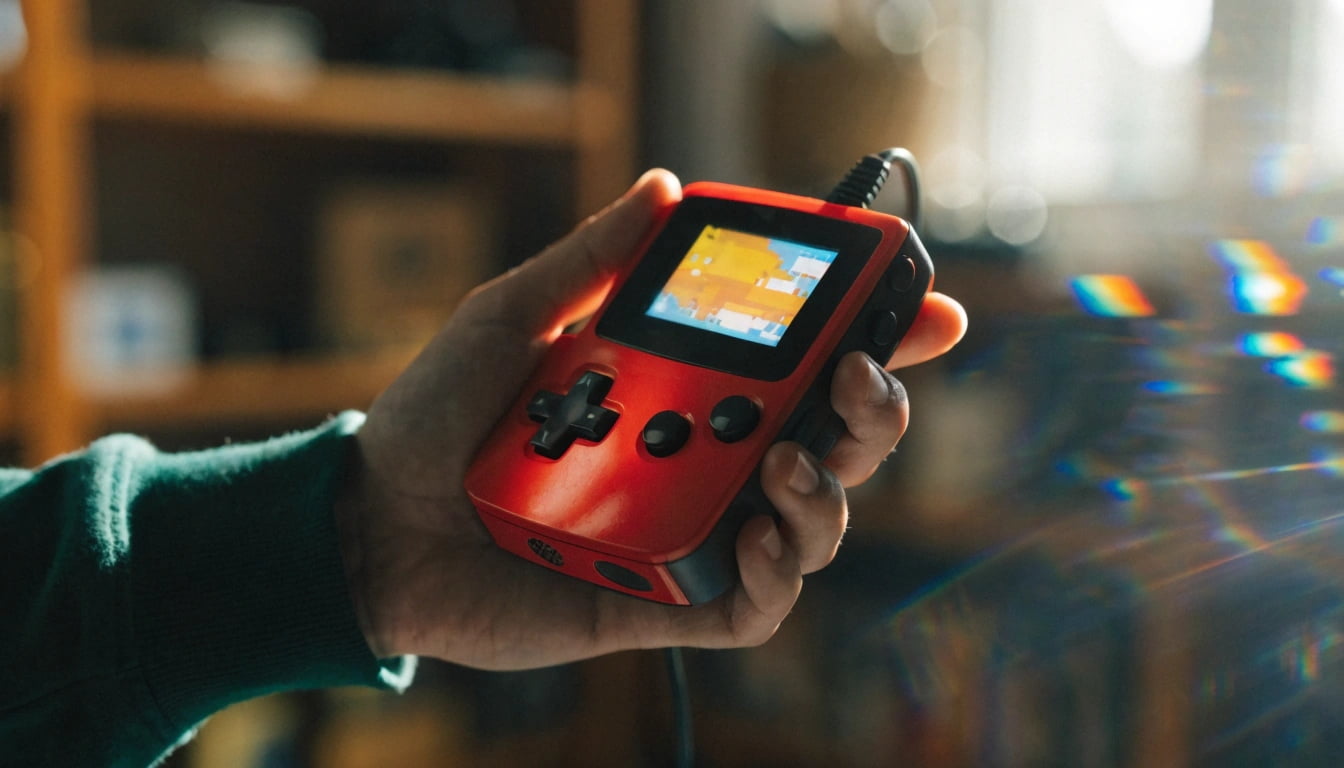
Handheld gaming consoles are part of the future because they serve needs that phones do not fully solve. Retro handhelds give users physical buttons, offline play, nostalgic design, and a distraction-free gaming experience. For B2B buyers, this means handheld consoles can remain strong if products match clear consumer use cases.
Why phones did not replace handheld gaming
On paper, a smartphone can do almost everything. It has a screen, processor, battery, and app store. But in real life, people do not buy only based on specs. They buy based on feeling.
A retro gaming handheld gives users something a phone cannot easily offer:
- Real buttons
- A dedicated gaming mood
- A childhood memory trigger
- A simple interface
- Better focus without calls and messages
- A collectible physical object
- A giftable product with emotional value
That is why retro handhelds still sell. They are not only “small electronics.” They are emotional products.
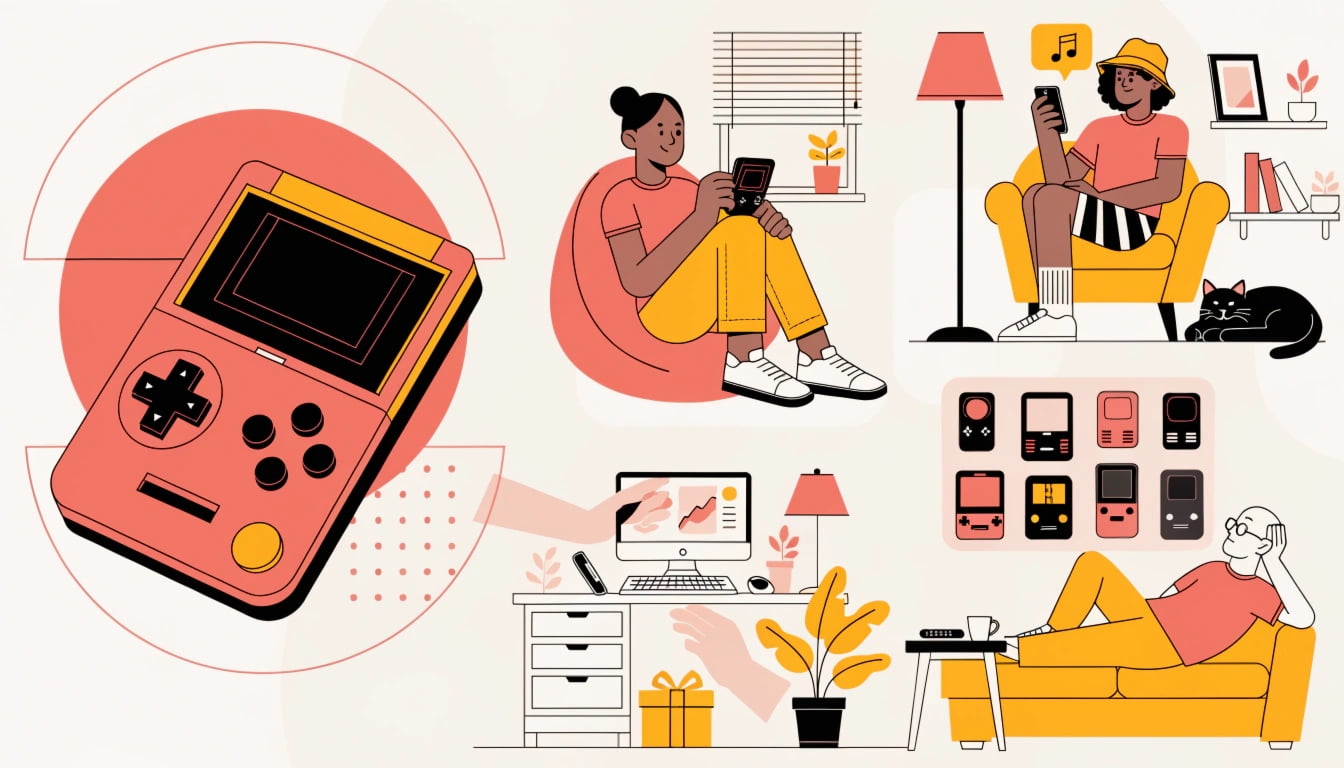
The future is not one device. It is several consumer scenes.
I do not think the future of handheld gaming is one winner. I think the future is fragmented. That is actually good for B2B buyers because different price points can coexist.
| Product Type | Main Buyer | Typical Use Scene | B2B Selling Angle |
|---|---|---|---|
| Basic retro handheld | Gift buyers, families | Casual play, children, nostalgia | Affordable, easy to sell in volume |
| Mini retro handheld | Gen Z, impulse buyers | Daily carry, social content | Cute, colorful, shareable |
| Premium retro handheld | Millennials, enthusiasts | Better display and controls | Quality, comfort, memory |
| Android handheld | Advanced users | More systems, larger game library | Performance and flexibility |
| Windows handheld PC | Hardcore gamers | PC games on the go | High ticket, lower volume |
What this means for wholesalers and distributors
If you are a wholesaler, you do not need to bet everything on one product. A better approach is to build a product ladder.
For example:
- Entry-level model for promotion and gift channels
- Mid-range IPS model for Amazon, Shopify, and retail shelves
- Mini colorful model for Gen Z and social content
- Limited edition model for collectors and community marketing
This structure helps you avoid a common problem: carrying only cheap products with thin margins. Cheap products may move fast, but they can also create more returns, weaker reviews, and lower repeat orders.
The “dad and child” scene is still underrated
In my opinion, one of the strongest 2026 demand scenes is parent-child gaming. A millennial father buys a device because he remembers his own childhood. Then he gives it to his child and explains the games.
That is not a technical sale. That is a family memory sale.
For B2B listings, retailers can use this angle carefully:
- “Classic fun for family time”
- “A retro-style gift for parents and kids”
- “Simple gaming without complicated setup”
- “Portable entertainment for travel”
This kind of message works better than only listing chipset, memory, and screen size. Specs matter, but emotion sells.
The key B2B point
Handheld consoles have a future because they are becoming more than gaming devices. They are gifts, accessories, collectibles, and nostalgia tools. So the B2B buyer who understands the final scene will make better sourcing choices.
That means you should ask suppliers for more than price. Ask about:
- Defect rate
- Screen options
- Battery testing
- Packaging customization
- Color availability
- MOQ for private label
- Stable supply capacity
- Product photos and video support
A good manufacturer should help you sell, not only ship cartons.
What are the trends in the handheld gaming market for retro handhelds?
The handheld gaming market changes quickly, and that can make buying decisions stressful. A product that sold well last year may feel old this year. If B2B buyers ignore trends, they may fill their warehouse with slow-moving inventory.
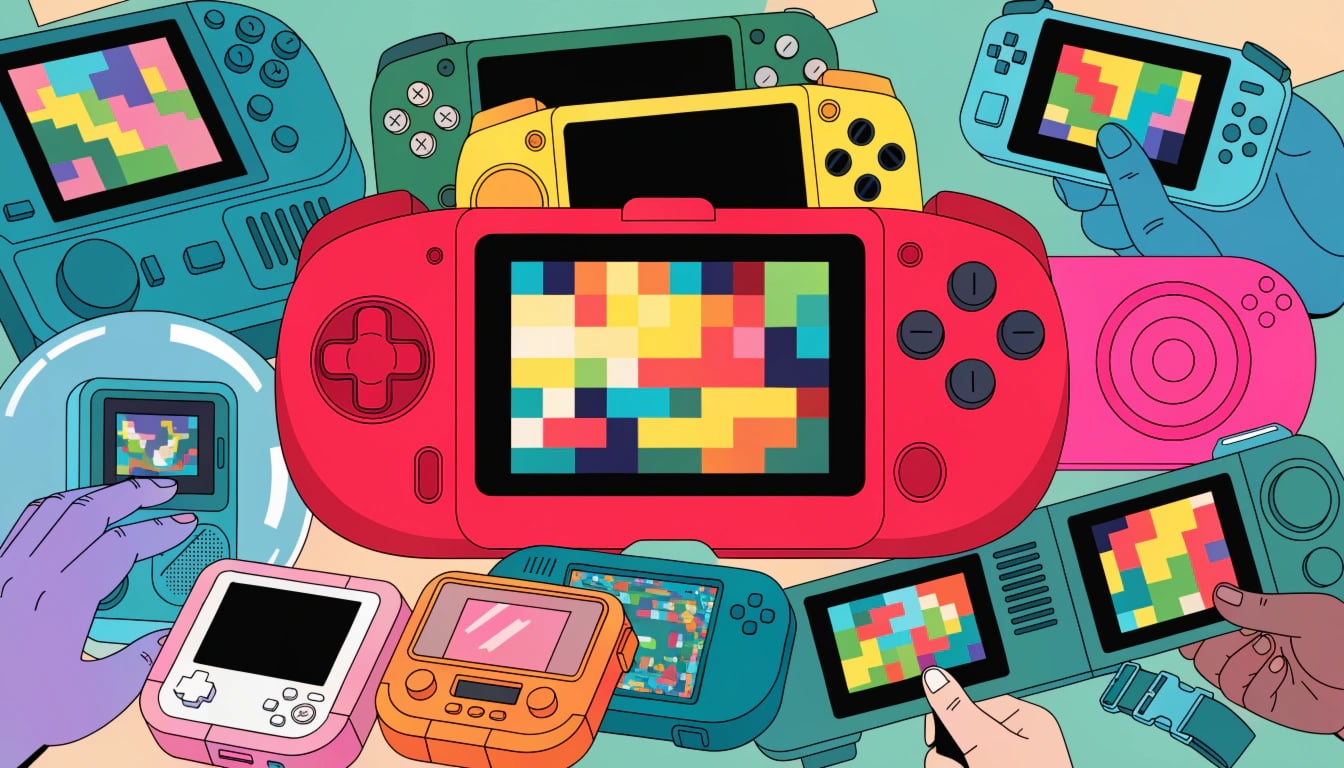
The biggest handheld gaming market trends in 2026 are nostalgia-led purchasing, mini and colorful designs, better screens, social-video-driven discovery, private label customization, and collector-focused limited editions. For retro handhelds, the winners will combine emotional appeal, reliable hardware, attractive packaging, and clear end-consumer positioning.
Trend 1: Nostalgia is becoming a serious purchase driver
Nostalgia is not just a soft feeling. It is a buying reason.
Millennial consumers now have more spending power than they had 10 years ago. Many are parents. Many also want simple entertainment that feels different from modern phone apps and online games.
This creates a strong product message:
“Simple games. Real buttons. Childhood feeling.”
For B2B sellers, this means the product experience must support the story. If the shell feels too flimsy or the buttons feel poor, the emotional value breaks quickly.
I would recommend mid-range models for this segment, especially models with:
- IPS screen
- Better speaker
- Stronger battery
- Clean UI
- Retro gift box
- Optional carrying case
A small cost increase can support a much better retail price.
Trend 2: Gen Z is pushing retro handhelds into fashion territory
Gen Z buyers often discover products through short videos, not traditional search. This changes how sellers should prepare listings.
A plain product page is not enough. The product must look good in someone’s hand, on a desk, in a backpack, or beside a coffee cup. This sounds simple, but it matters.
For this group, visual selling points include:
- Transparent shell
- Pastel colors
- Mini size
- Keychain design
- Cute boot screen
- Clean packaging
- Sticker or accessory bundles
Here is a practical B2B tip: if you sell to online sellers, offer photo and video material. Many e-commerce sellers struggle with content. If you can provide lifestyle images, unboxing clips, and short demo videos, you become more than a supplier.
You become a growth partner.
Trend 3: Packaging is becoming part of the product
In low-price electronics, packaging used to be an afterthought. Now it can affect conversion, returns, and reviews.
Good packaging helps in several ways:
| Packaging Feature | Why It Matters | Best For |
|---|---|---|
| Retro-style box art | Supports nostalgia | Millennials, gift buyers |
| Colorful modern design | Looks better in videos | Gen Z buyers |
| Clear feature icons | Reduces confusion | Amazon and retail |
| Strong inner protection | Reduces shipping damage | All B2B channels |
| Private label design | Builds brand value | OEM/ODM buyers |
I often remind customers that packaging is the first physical touchpoint. Before the buyer presses a button, they see the box. That moment can either increase trust or create doubt.
Trend 4: Better screens are becoming standard
For several years, many low-cost handheld consoles competed mainly on game count. But consumers are now more educated. They compare screen quality, viewing angles, brightness, and resolution.
That is why IPS screens and HD displays have become stronger selling points. Even casual buyers notice if the screen looks dull.
For B2B buyers, this affects product positioning:
- Cheap LCD models can work for promotions or discount channels.
- IPS screen models are better for reviews and repeat sales.
- Larger HD display models suit older users and gift buyers.
- Mini screens work if the design is cute and the price is right.
The key is not always choosing the highest spec. The key is matching the spec to the target buyer.
Trend 5: OEM/ODM customization is becoming normal
More sellers want private label products because price competition is intense. If every seller lists the same model with the same photos, the only battle left is price.
Customization helps create separation.
Common OEM/ODM requests include:
- Logo printing
- Shell color changes
- Customized packaging
- User interface changes
- Built-in game library customization
- Accessory bundles
- Retail-ready cartons
- Amazon and Shopify packaging support
At Kalefu, this is a common part of our work because wholesalers, brand owners, and e-commerce sellers all want a stronger market position. The best time to discuss customization is before mass production, not after goods are ready.
Trend 6: Community influence is stronger than normal ads
Collectors and hobby users may not buy the most units, but they influence others. A Reddit post, Discord message, or YouTube review can shape demand quickly.
This is why limited editions matter. A small batch in a special shell color can create conversation. That conversation can then support normal model sales.
For B2B buyers, I would not overproduce limited editions. Scarcity is part of the value. A controlled quantity can work better than a large stock plan.
What is the most sold handheld game system, and what can retro handhelds learn from it?
Many buyers ask this question because they want a simple benchmark. That makes sense. If I know what sold best in history, I can understand what consumers value. But the lesson is not only about the brand name. It is about access, price, game library, and timing.
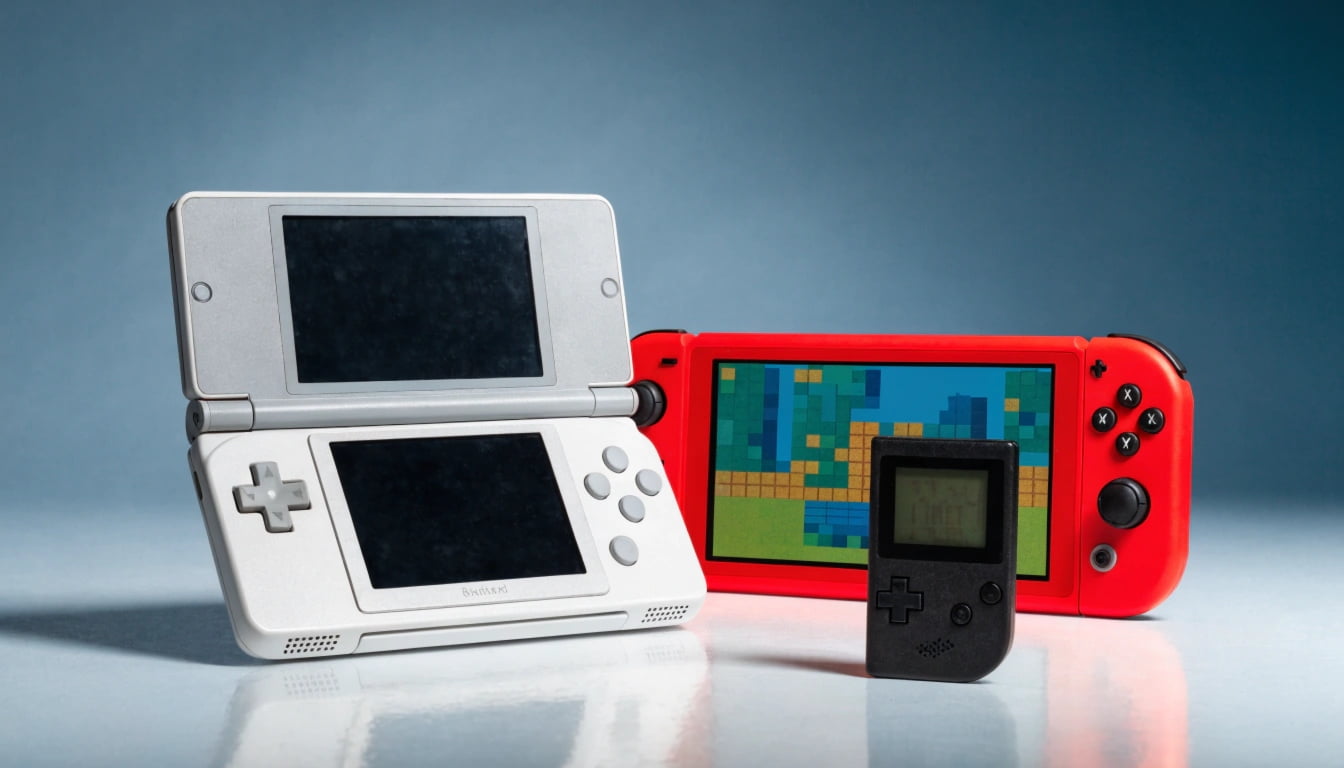
The most sold dedicated handheld game system is generally considered the Nintendo DS, with about 154 million units sold worldwide. If hybrid consoles are included, the Nintendo Switch is also one of the top systems. Retro handhelds can learn from both: simple access, strong content, comfortable design, and wide price appeal drive mass sales.
The Nintendo DS lesson: easy fun wins
The Nintendo DS was not the most powerful device of its generation. That is the first lesson. Power matters, but it is not the only reason people buy.
The DS won because it was:
- Easy to understand
- Portable
- Family friendly
- Supported by a large game library
- Available in different models and colors
- Priced for mass adoption
- Fun for both casual and serious players
For B2B buyers, this is very relevant. Many end consumers do not want a complicated setup. They want to open the box and play.
This is why plug-and-play style retro handhelds remain attractive. They reduce friction.
Best-selling handheld systems show four patterns
| System | Approx. Global Sales | Main Strength | B2B Lesson |
|---|---|---|---|
| Nintendo DS | ~154 million | Broad audience, easy play | Simple use beats complex specs |
| Game Boy / Game Boy Color | ~118 million | Portability and iconic design | Nostalgia and durability matter |
| Nintendo Switch | 150+ million range | Hybrid home/portable play | Flexible use scenes sell |
| PSP | ~80 million | Multimedia and premium feel | Design and screen quality matter |
| Game Boy Advance | ~81 million | Strong game library | Content depth supports repeat use |
Sales figures vary by source and reporting date, especially for the Switch because it is still a hybrid category. But the direction is clear. Devices sell when they fit real life.
What retro handhelds should copy
Retro handhelds should not try to copy Nintendo directly. That would be unrealistic and legally risky. But they can copy the business lessons.
1. Make the product easy to explain
If a retailer needs five minutes to explain the device, the listing may not convert well.
A strong message looks like this:
- “Classic games in your pocket”
- “Portable retro gaming for travel”
- “A nostalgic gift for adults and kids”
- “Mini console with real buttons”
Simple language sells better than technical overload.
2. Offer several price levels
The best-selling systems reached mass audiences partly because they had broad appeal. B2B sellers can do the same through product tiers.
For example:
| Tier | Suggested Positioning | Target Consumer |
|---|---|---|
| Entry | Affordable gift, child-friendly | Budget buyers, promotions |
| Mid-range | Better screen and controls | Millennials, Amazon buyers |
| Style model | Cute, mini, colorful | Gen Z buyers |
| Premium | Stronger build and display | Enthusiasts, collectors |
This lets a distributor serve more channels without confusing the market.
3. Keep quality stable
A bad product may still sell once, but it hurts repeat orders. This is especially true for e-commerce sellers. One wave of negative reviews can destroy a listing.
Important quality checks include:
- Button life testing
- Screen inspection
- Battery performance checks
- Charging port testing
- Speaker testing
- Game loading tests
- Packaging drop protection
- Random inspection before shipment
At our factory, I care a lot about testing because B2B customers carry the final risk in their markets. A low defect rate is not just a quality goal. It is a sales tool.
4. Build gift value
Many best-selling handheld systems became gifts. Parents bought them. Friends bought them. People bought them for birthdays and holidays.
Retro handhelds should be positioned the same way.
Gift value comes from:
- Nice box design
- Clear product name
- Clean accessories
- Good instruction manual
- Safe packaging
- Attractive color options
If a product looks gift-ready, sellers can promote it during Christmas, Black Friday, back-to-school periods, and local holidays.
The real takeaway from the best sellers
The most sold handheld game systems were not successful by accident. They matched consumer life. They gave people easy fun at the right price.
That is exactly what B2B buyers should focus on. Do not only ask, “How many games are built in?” Ask, “Who is buying this, and why will they feel happy after opening the box?”
That question leads to better sourcing decisions.
Frequently Asked Questions
Who is the main buyer of retro handhelds in 2026?
The main buyer is still the millennial nostalgia consumer, usually aged 30–45. This group remembers classic handheld gaming and often buys for personal memories or family sharing. They usually care more about screen quality, controls, packaging, and reliability than the lowest possible price.
Are Gen Z consumers really buying retro handhelds?
Yes. Gen Z buyers often buy retro handhelds for design, portability, and social media appeal rather than childhood nostalgia. Mini sizes, colorful shells, transparent designs, and good unboxing content can make these products perform well on TikTok, Instagram, Amazon, and Shopify stores.
What should B2B buyers look for when sourcing retro handhelds?
B2B buyers should look for stable quality, screen options, battery performance, packaging support, color variety, and OEM/ODM flexibility. Price matters, but the cheapest model is not always the most profitable. A slightly better product can reduce returns and improve reviews.
Are limited edition retro handhelds worth selling?
Limited editions can be worth selling if your audience includes collectors or gaming communities. They may not create the highest volume, but they can create buzz and influence. Special colors, numbered packaging, and early access campaigns can help generate community discussion.
What price range works best for retro handhelds?
The best price range depends on the target consumer. Entry-level models work for gifts and promotions. Mid-range models work well for millennials who want quality. Mini colorful models work for Gen Z buyers. Premium models can sell to collectors, but they need stronger branding and content.
Conclusion
Retro handhelds in 2026 are not bought by one single audience. Millennials buy them for memory and family connection. Gen Z buyers buy them for style, portability, and social content. Collectors buy them for rarity and community status. If you are a wholesaler, distributor, retailer, or e-commerce seller, your profit depends on matching the right product to the right end consumer. If you need stable supply, OEM/ODM customization, and factory support for your next retro handhelds project, contact Shenzhen Kalefu Electronics Co., Ltd. and let us help you build a better product line.