
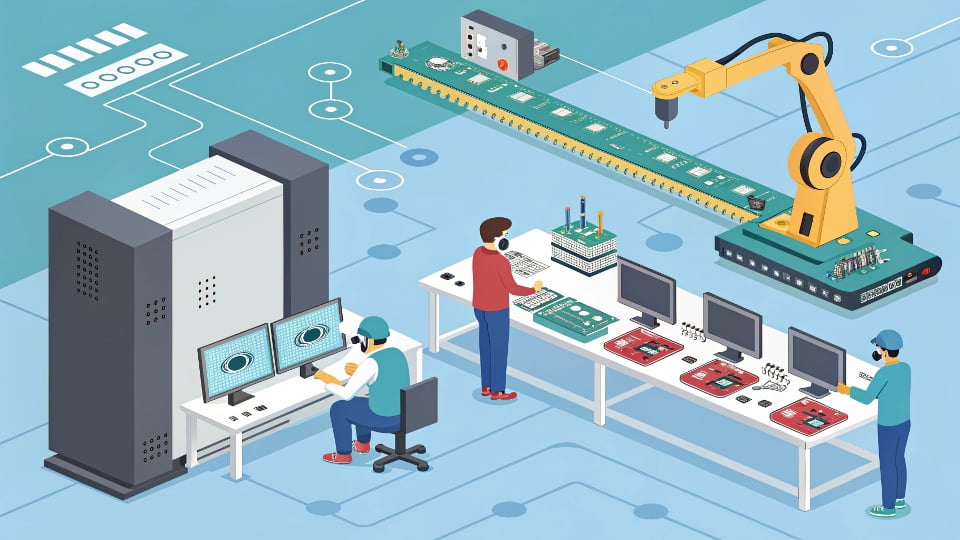

The gaming industry is booming, and gamers demand high-quality consoles. But how are these complex devices actually made? Let’s break it down. The process of making a video game console involves idea development, hardware and software design, component sourcing, assembly, quality testing, and distribution. The key stages include concept creation, engineering, manufacturing, and rigorous testing. Creating a game console is not simple. It needs years of planning, development, and testing. A single flaw can ruin the entire product. That’s why every step must be perfect.
How is a game console made?
Making a console starts with an idea. Then, engineers and designers work together to bring it to life. A game console is made by first developing a concept, followed by designing hardware and software, sourcing components, assembling parts, testing for quality, and finally shipping to retailers.
The journey from an idea to a finished console involves multiple steps:
- Concept & Design – Teams brainstorm features, performance targets, and design aesthetics.
- Hardware Prototyping1 – Engineers build early models to test functionality.
- Software Development – Programmers create the operating system and support tools.
- Component Sourcing – Partners provide processors, memory, and other parts.
- Assembly – Factories carefully put everything together.
- Quality Testing2 – Each device undergoes strict performance checks.
- Packaging & Distribution – Finished consoles are shipped globally. Each stage must meet strict standards. Even minor errors can delay production.
What are the 7 stages of game development?
Game development is closely tied to console production. Without great games, consoles won’t succeed.
The 7 stages of game development are: planning, pre-production, production, testing, pre-launch, launch, and post-launch updates.
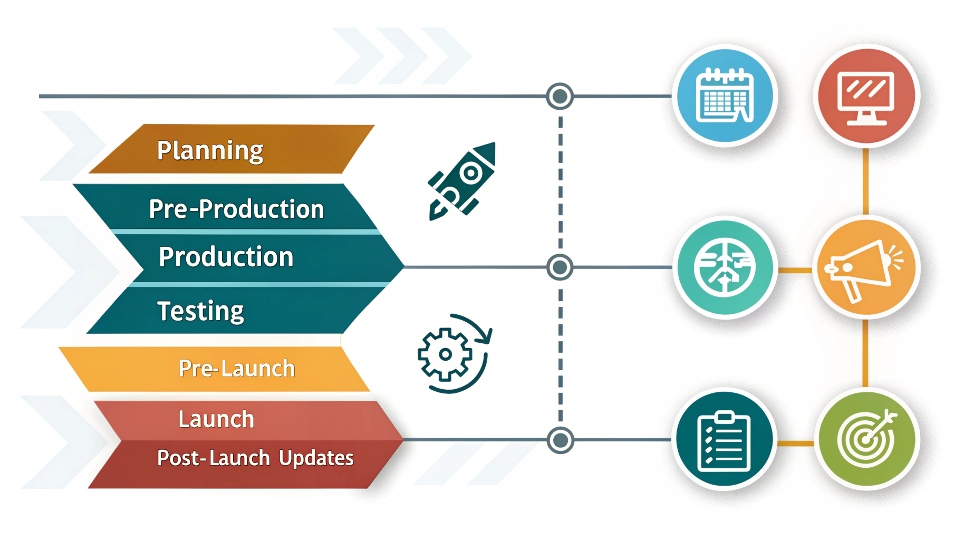
Let’s explore what happens in each phase:
| Stage | Key Activities |
|---|---|
| Planning | Defining the game idea, setting goals, and deciding on budgets. |
| Pre-Production | Creating concept art, early prototypes, and storyboards. |
| Production | Developing graphics, programming mechanics, and recording audio. |
| Testing | Finding bugs, improving gameplay, and optimizing performance. |
| Pre-Launch | Marketing, demo releases, and final adjustments. |
| Launch | Official release and immediate feedback from players. |
| Post-Launch | Updates, DLCs, and ongoing technical support. |
Games take years to perfect. Developers must listen to player feedback to improve their work.
What are the key challenges in making a video game console?
Building a console is not easy. Many obstacles can slow down production.
Key challenges include hardware compatibility, cost management, overheating risks, supply chain delays, and competition from other brands.
 The biggest problems manufacturers face:
- Hardware Limitations – Processors and graphic cards must balance performance and power usage.
- Heat Management – Consoles need cooling systems, or they may overheat and fail.
- Budget Control – High-end components can make the final product too expensive.
- Supply Chain Issues – A shortage of just one part can halt production.
- Market Competition – Rivals like Sony and Microsoft constantly push innovation.
Only experienced manufacturers can deliver reliable, high-performance consoles.What is the process of creating a video game?
Games and consoles go hand in hand. Great games make consoles desirable.
The process involves concept design, story writing, programming, art creation, sound design, quality testing, and final release. Developers follow a structured workflow:
 - Idea & Storyboarding – Writers and artists outline characters and world design.
- Game Mechanics – Programmers code movement, combat, and interactive elements.
- Graphics & Animation – 3D modelers and animators bring visuals to life.
- Sound & Music – Composers and voice actors enhance immersion.
- Beta Testing – Testers check for bugs and gameplay flaws.
- Final Release – The game gets published on consoles and PCs.
Player feedback is crucial. Many successful games evolve through updates.Conclusion
Making a game console is a long, precise journey. It involves engineering, game development, and overcoming supply challenges.