
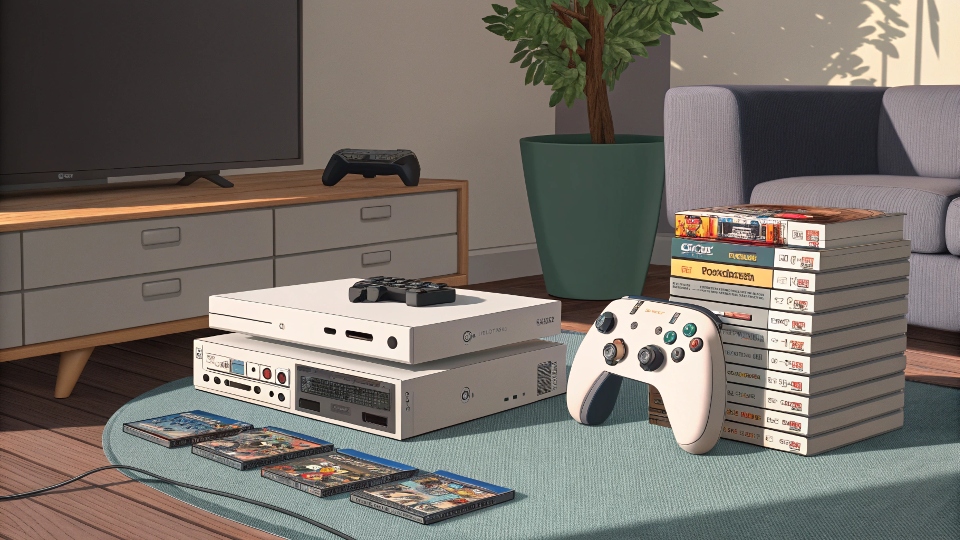

Gaming consoles are big investments. Many players worry their new console will become obsolete too fast. But is this fear justified? Modern consoles typically last 6-8 years before being replaced by new models. However, they remain functional and supported much longer than this official lifecycle. The definition of "outdated" is changing as manufacturers focus more on backward compatibility and game libraries over hardware specs.
The idea of consoles becoming outdated isn't as straightforward as it used to be. Let's analyze the main factors that determine console longevity in today's market.
How long do consoles typically last?
Gamers often think consoles become useless when new versions launch. But real-world usage tells a different story. Current console generations officially last 6-8 years between hardware refreshes, but most units continue receiving game releases and updates for 10+ years. Many players still enjoy PlayStation 4 and Xbox One games despite newer models being available.
Console lifespan depends on several key factors:
-
Manufacturer support cycles:
- First-party game support: 5-7 years
- System updates: 7-10 years
- Online services: varies by company
-
Hardware durability:
Component Average Lifespan Main processor 10+ years Optical drive 5-7 years Internal storage 7-10 years -
Market trends affecting longevity:
- Digital game libraries increasing backward compatibility
- Cloud gaming reducing hardware dependence
- Strong retro gaming communities preserving older systems
The move toward digital ecosystems means players invest more in game libraries than hardware. This extends console relevance far beyond traditional measures.
Are consoles still loss leaders?
The "sell hardware at a loss" strategy shaped console wars for decades. Does this model still hold today? Modern consoles are no longer sold at significant losses, with most breaking even or making small profits at launch. Component standardization and pre-order culture have changed the economics.
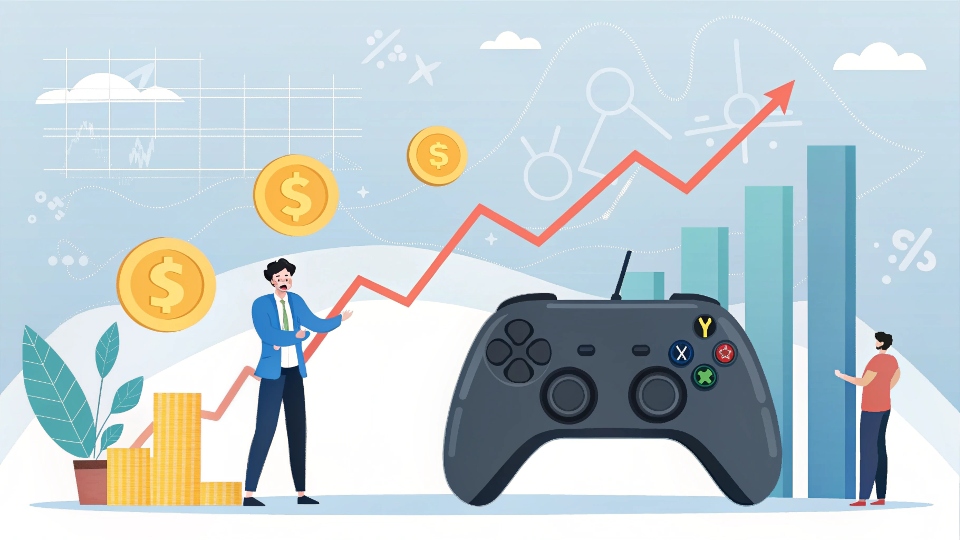
The loss leader approach has evolved due to several industry shifts:
- New revenue streams:
- Subscription services (Xbox Game Pass, PlayStation Plus)
- Digital storefronts taking 30% of third-party sales
- Microtransactions in AAA titles
- Manufacturing changes:
- More shared components between console generations
- Advanced production planning using pre-order data
- Smaller process nodes reducing chip costs over time
- Pricing strategies:
- Multiple SKUs at different price points
- Frequent hardware revisions (PS5 Slim, Xbox Series S)
- Bundle deals with subscriptions or popular games This table shows how console profitability has changed:
| Generation | Launch Price | Estimated Loss per Unit |
|---|---|---|
| PS3 | $599 | $240 |
| Xbox One | $499 | $150 |
| PS5 | $499 | $0-40 |
| Series X | $499 | $0-30 |
Is the gaming industry slowing down?
With longer console cycles and market saturation, some wonder if the gaming industry1 is hitting its peak. The gaming industry continues growing at 5-7% annually, but the growth is shifting from hardware sales to services and software. Console sales remain strong, just differently distributed.
Current industry dynamics show a transformation rather than slowdown:
- Hardware sales patterns:
- Longer peaks rather than sharp spikes
- More staggered regional launches
- Greater emphasis on accessories and peripherals
- Software and service growth:
- Subscription services now 15-20% of market revenue
- Live service games dominating engagement
- Cross-platform play extending relevance
- Emerging markets:
- Developing regions adopting consoles later in lifecycle
- Cloud gaming expanding addressable market
- Refurbished hardware markets growing Key statistics reveal the shift:
- Digital game sales now exceed physical (70/30 split)
- Average player spends 45% more on content than hardware
- Console attach rates (games per system) at all-time highs
Do consoles eventually stop working?
All electronics fail eventually, but when does a console truly become unusable?
Most consoles remain functional for 10-15 years with proper care, though online features may stop earlier. Physical failure rates are lower than most consumer electronics.
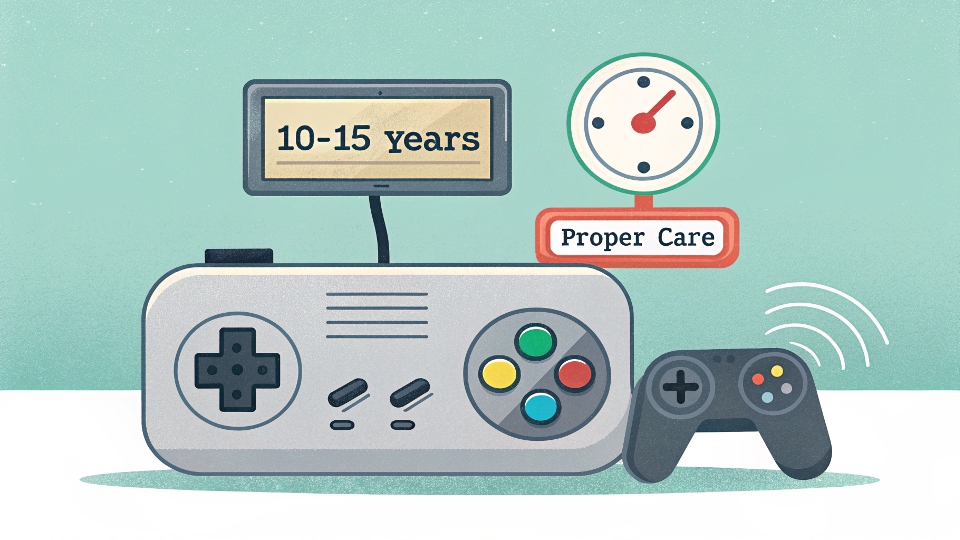
Understanding console lifespan requires examining different failure modes:
-
Common failure points:
- Optical drives (5-8 year average lifespan)
- Hard drives/SSDs (3-5 year warranty typically)
- Power supplies (7-10 years)
- Thermal paste degradation (5+ years)
-
Preventative maintenance:
Action Effect on Lifespan Regular cleaning +2-3 years Proper ventilation +1-2 years Voltage regulation +1-2 years -
End-of-life factors:
- Service discontinuation (online features first)
- Component obsolescence (specialized chips)
- Repair part availability
- Battery failure in portables Modern consoles are designed for longevity:
- Solid-state designs eliminate moving parts
- Modular components simplify repairs
- Open repair movements gaining traction
Conclusion
Console longevity has improved significantly, with modern systems remaining relevant for a decade or more through continuous updates and backward compatibility.
Explore this link to understand the latest trends and dynamics shaping the gaming industry today. ↩