
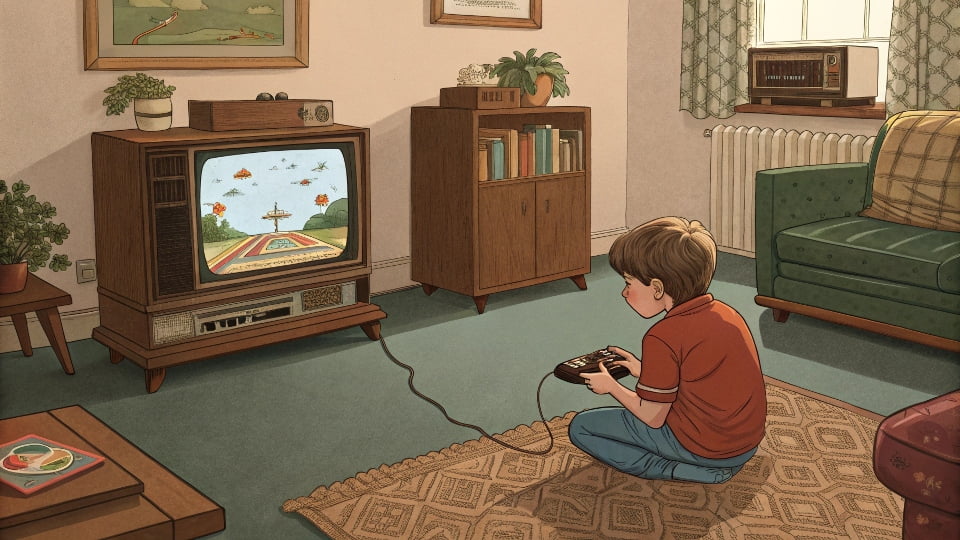

The 1980s saw video games explode into mainstream culture. Arcades became social hubs, and home consoles brought gaming into living rooms. But what drove this golden age? Video games became popular in the 80s because of economic recovery, affordable electronics, and their social appeal. Arcades were gathering spots, and home consoles expanded accessibility. Games offered replayability and diverse experiences, keeping players hooked. The rise of video games in the 80s wasn't just luck. Let's explore the key factors that made them a cultural phenomenon.
Why were video games so popular in the 80s?
People had more disposable income after tough economic times. They wanted fun ways to spend it. Video games offered that escape. Video games were popular because they combined technology and entertainment in a new way. They were exciting, interactive, and available in public spaces like arcades1 where friends could gather.
Several elements came together to make gaming a dominant hobby:
- Affordable Technology
- Home consoles like Atari became cheaper
- Color TVs were common in households
- Social Appeal
- Arcades were where teens hung out
- High score competitions created rivalries
- Game Design
- Simple but challenging gameplay
- Immediate feedback (win/lose)
- Cultural Fit
- Aligned with emerging tech culture
- Novelty factor attracted first-time players
Tables comparing pre-80s and 80s gaming:
| Feature | Before 1980s | 1980s |
|---|---|---|
| Availability | Rare, expensive | Widely available |
| Graphics | Basic lines | Color sprites |
| Sound | Beeps | Music & effects |
What hit in 1980 that changed video games forever and why was it so popular?
Pac-Man arrived in 1980 and became a global sensation overnight. Its cute characters and simple gameplay appealed to everyone.
Pac-Man changed gaming by attracting female players and non-gamers. Its maze chase design was easy to learn but hard to master, creating mass appeal beyond traditional gamer demographics.
 Pac-Man's success showed the industry several important lessons:
- Characters matter more than abstract shapes2
- Games could cross gender and age barriers
- Licensing opportunities existed beyond arcades
The game launched merchandise, cartoons, and even breakfast cereals. This proved video games could become cultural icons3, not just amusement devices.
What was the video game craze of the 80s?
The craze centered around both arcade machines and home systems. Different products fueled excitement at different times.
The 80s gaming craze had two phases: 1980-83 arcade boom and 1985-89 console wars. Space Invaders, Pac-Man, and later Nintendo dominated successive waves of popularity.
 Key products that defined the craze:
- Early Phase (1980-83)
- Arcade hits: Donkey Kong, Galaga
- Home consoles: Atari 2600
- Crash Period (1983-84)
- Market flooded with bad games
- Consumer confidence dropped
- Recovery (1985-89)
- Nintendo Entertainment System revived homes
- New franchises like Mario emerged
The craze showed both the potential and fragility of the new industry. Public excitement could grow fast but disappear if quality suffered.What caused the video game slump of the early 80s?
After explosive growth, the industry suddenly collapsed in 1983. Stores couldn't sell games, and companies went bankrupt. The early 80s slump happened because too many bad games flooded the market. Consumers lost trust, and retailers stopped carrying video game products altogether.
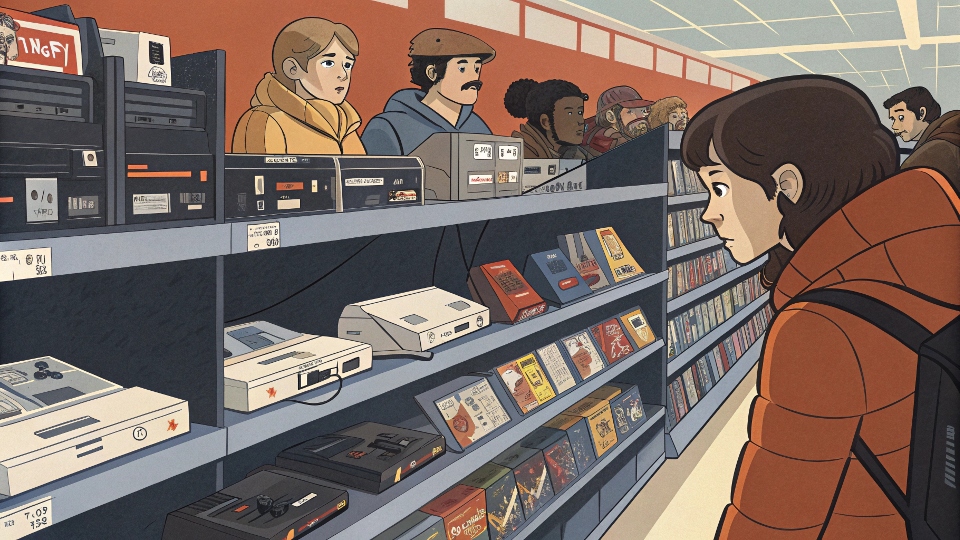 Several factors combined to create the crash:
- Overproduction Problem
- Thousands of game cartridges sat unsold
- Stores discounted them to $1 just to clear shelves
- Quality Issues
- Rushed sequels and clones
- No review system to warn buyers
- Platform Confusion
- Too many competing console brands
- Games often didn't work across systems
The table shows before/after crash numbers:
| Metric | 1982 Peak | 1984 Low |
|---|---|---|
| Industry Revenue | $3.2B | $100M |
| Active Companies | 30+ | 3-5 |
The crash nearly killed home consoles until Nintendo rebuilt the market with strict quality controls later in the decade.
Conclusion
Video games thrived in the 80s by offering affordable fun during economic recovery. While early mistakes caused a crash, the industry learned vital lessons that shaped modern gaming.
Discover how arcades became social hubs for gamers and contributed to the rise of video gaming culture in the 80s. ↩
Understanding the importance of character design can enhance your game development skills and marketing strategies. ↩
Exploring this topic reveals the evolution of gaming and its impact on popular culture, which is essential for industry insights. ↩