
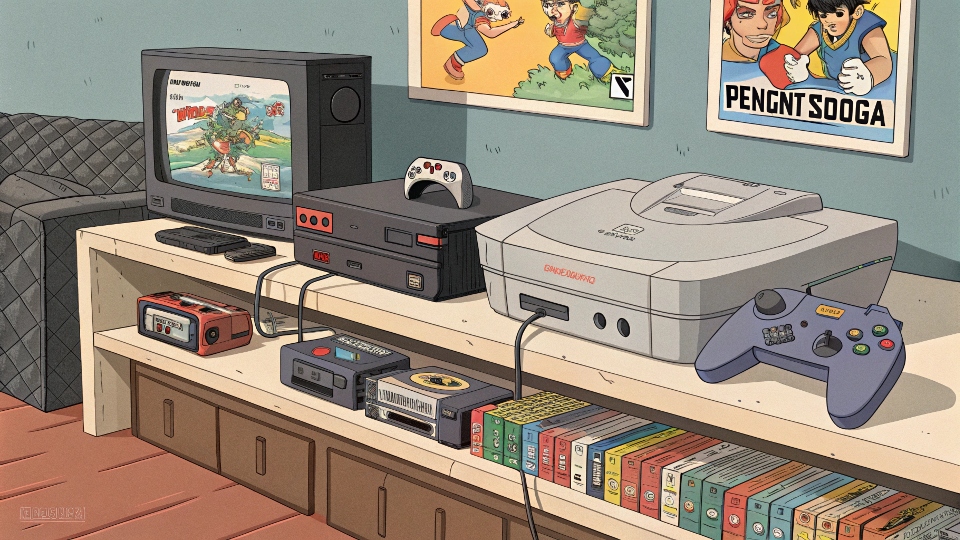

The 90s were a golden age for gaming. I still remember the excitement of seeing new consoles hit the market. So many great memories were made during that decade. The 90s saw the release of iconic consoles like the SNES, Sega Genesis, PlayStation, and Nintendo 64, which revolutionized gaming with 3D graphics and multiplayer experiences. Those were special years. The gaming industry grew rapidly. New technology changed how we played. Let's take a closer look at the consoles that defined this exciting decade.
What Gaming Consoles Came Out in the 90s?
The 90s started with 16-bit systems and ended with full 3D gaming. The change was incredible to witness. Major consoles included the Super Nintendo (1990), Sega Genesis (1988 but dominant in early 90s), PlayStation (1994), Nintendo 64 (1996), and Sega Saturn (1994).
The transition from 2D to 3D was revolutionary. Here's a breakdown of the key consoles:
- Super Nintendo (1990): The peak of 2D gaming
- Sega CD (1991): Early attempt at CD gaming
- Atari Jaguar (1993): First "64-bit" system
- 3DO (1993): Expensive but innovative
- Sega Saturn (1994): Sega's first 3D system
- PlayStation (1994): Changed the industry
- Nintendo 64 (1996): Brought 3D to Nintendo fans
Each system had unique strengths. The competition pushed gaming forward faster than ever before.
What Consoles Were Out in 1995?
1995 was a pivotal year. CD-ROMs became standard. 3D graphics started replacing 2D. In 1995, the main consoles were PlayStation, Sega Saturn, 3DO, Atari Jaguar, and Super Nintendo (still popular despite newer competition).
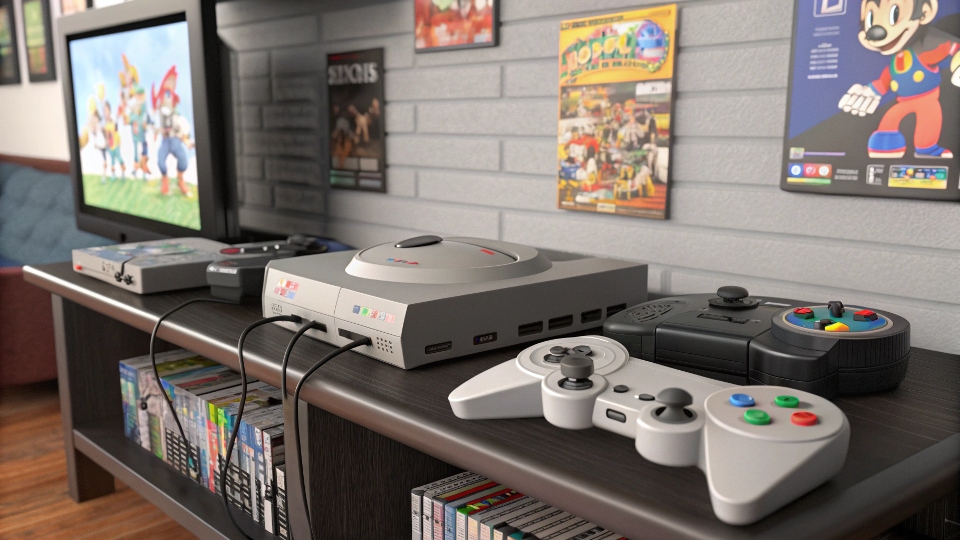 This was the year when gaming truly evolved:
| Console | Media Type | Notable Features |
|---|---|---|
| PlayStation | CD-ROM | True 3D graphics, large game library |
| Sega Saturn | CD-ROM | Dual-CPU design, 2D/3D hybrid |
| 3DO | CD-ROM | High price but impressive tech |
| Atari Jaguar | Cartridge | Claimed 64-bit performance |
| SNES | Cartridge | Still getting great 2D games |
The PlayStation's debut changed everything. Its CD format allowed for full motion video and larger games.
What Are the Big 3 Consoles?
By the late 90s, three systems clearly dominated the market.
The "Big 3" were Sony PlayStation, Nintendo 64, and Sega Saturn (later replaced by Dreamcast). These defined the console wars of the era.
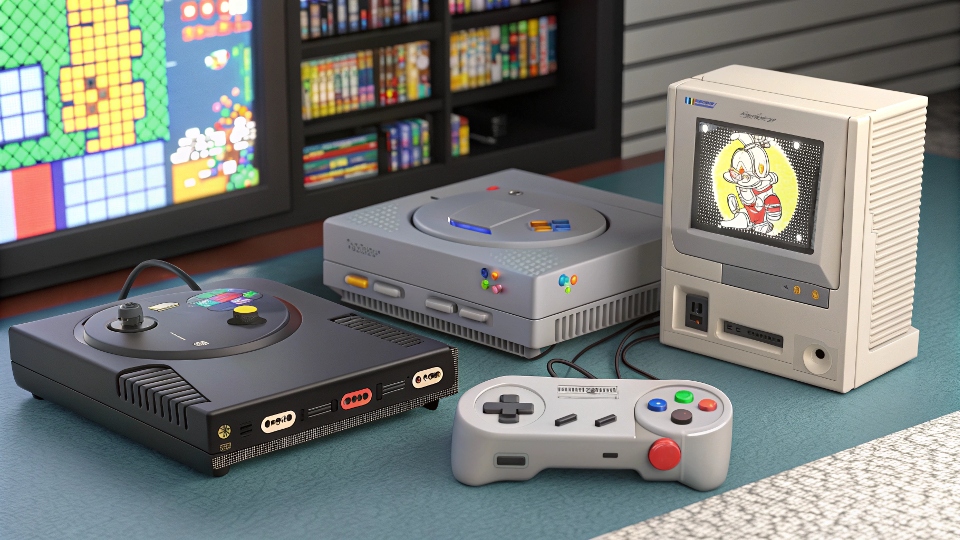 Each had distinct advantages:
- PlayStation
- CD storage meant bigger games
- Strong third-party support1
- Focused on mature audiences
- Nintendo 64
- Kept cartridge format
- Local multiplayer focus
- First-party classics like Mario 64
- Sega Saturn
- Complex hardware design
- Strong 2D performance
- Loyal fanbase The competition was fierce. Many gamers, myself included, had to choose which system to support.
What Consoles Existed in 1997?
1997 saw established systems mature while new contenders entered the scene.
Available consoles included Nintendo 64, PlayStation, Sega Saturn, Atari Jaguar (discontinued), and new handhelds like GameBoy Pocket.
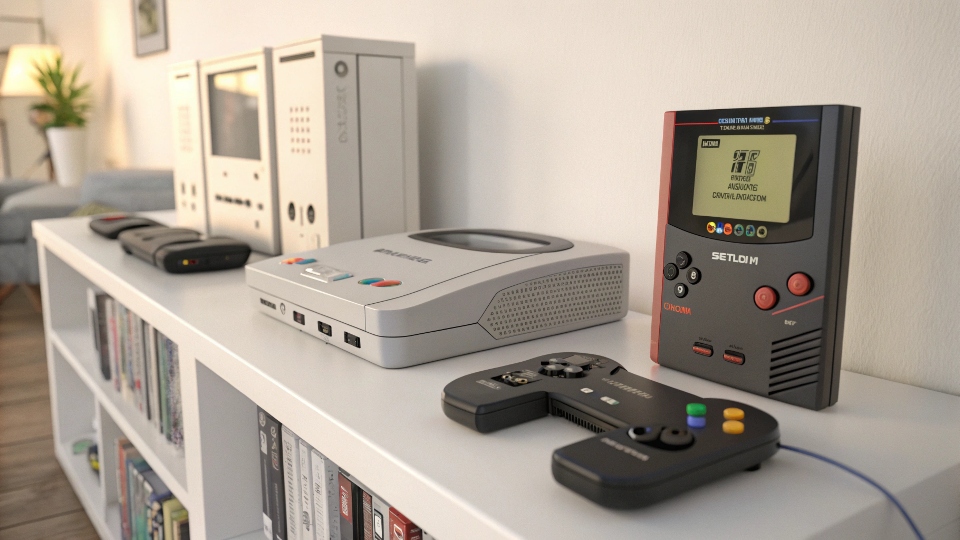 The late 90s brought these developments:
- Nintendo 641 hit its stride with classics like:
- GoldenEye 007
- Mario Kart 64
- Star Fox 64
- PlayStation expanded its library with:
- Final Fantasy VII
- Tomb Raider
- Gran Turismo
- Sega Saturn continued in Japan but struggled elsewhere This was the peak of couch multiplayer gaming2. Friends would gather to play four-player matches in my living room.
Conclusion
The 90s gave us groundbreaking consoles that shaped modern gaming. No other decade saw such dramatic technological leaps in home entertainment.