
Retro video games are popular because they solve a real problem: modern entertainment often feels expensive, complicated, and tiring. Buyers see the demand, but they also worry about returns, weak quality, and price competition. I think the better answer is simple: retro gaming sells when it feels easy, reliable, and giftable.
Retro video games are popular because they offer low-cost, low-barrier fun with strong emotional appeal. Nostalgia brings attention, but practical value drives purchases: quick play, family use, gifting, offline entertainment, and affordable devices. For wholesalers and retailers, popularity should be evaluated through product quality, positioning, and supply stability.
I have seen many buyers focus first on price and built-in game quantity. I understand why. Those details are easy to compare. But in real selling, the stronger question is: will the customer enjoy the product enough to keep it, review it well, and buy again?
Why are retro video games still popular beyond nostalgia?
Nostalgia is the door, but it is not the whole room. Many customers like retro video games because they are simple. Modern games can require accounts, updates, subscriptions, large downloads, and long play sessions. That creates friction.
The short answer: retro video games feel certain. A customer can turn on a handheld or TV console, choose a familiar game, and play within seconds. No large update. No complex setup. No long learning curve. That simplicity makes the category attractive for casual players, parents, gift buyers, and older players returning to games they already know.
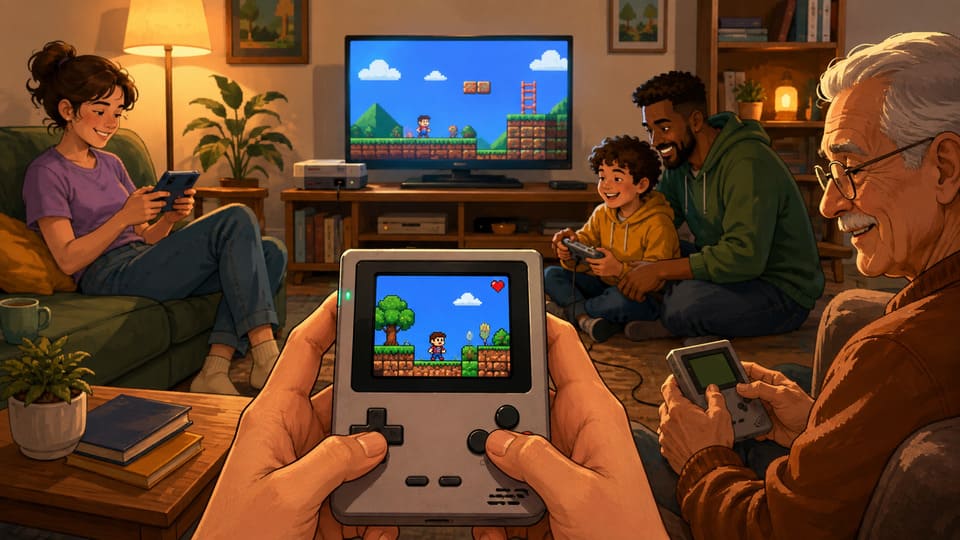
What I notice as a manufacturer
In manufacturing and customer communication, I often hear the same buyer questions:
- “How many games are built in?”
- “Is the gameplay smooth?”
- “Can we customize the logo and packaging?”
- “How stable is the supply?”
- “What is the defect control process?”
- “Can this model work as a gift product?”
These questions show that retro gaming demand is not only cultural. It is also commercial.
For many consumers, retro video games offer a kind of ownership confidence. They can hold the device, play offline, and avoid depending on a platform account. I would not overstate this as a universal market rule, but I do think buyers should watch it closely. Many players now care more about whether their entertainment feels permanent, simple, and under their control.
For retailers, this means the product page should not only say “classic games.” It should explain:
| Buyer concern | Better product message |
|---|---|
| Too many choices | “Pick up and play in seconds” |
| Family use | “Simple games for parents and children” |
| Gift demand | “Ready-to-gift packaging available” |
| Price pressure | “Affordable entertainment device” |
| Return risk | “Tested for buttons, screen, and stability” |
Why do retro video games work well as gifts?
Gift buyers want products that feel safe. They do not want complicated setup, expensive accessories, or a high learning curve. Retro video games fit this need because they are easy to explain and easy to enjoy.
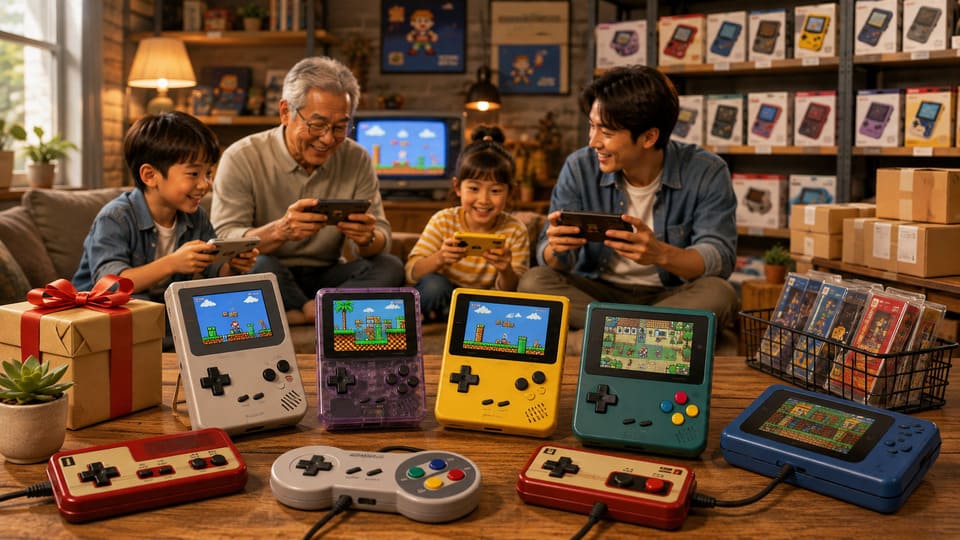
The best gift positioning is this: retro consoles are small, affordable, and emotionally familiar. A parent can show a child what they played before. A friend can buy one without knowing the receiver’s exact gaming preferences. A retailer can display it as a fun, low-pressure purchase.
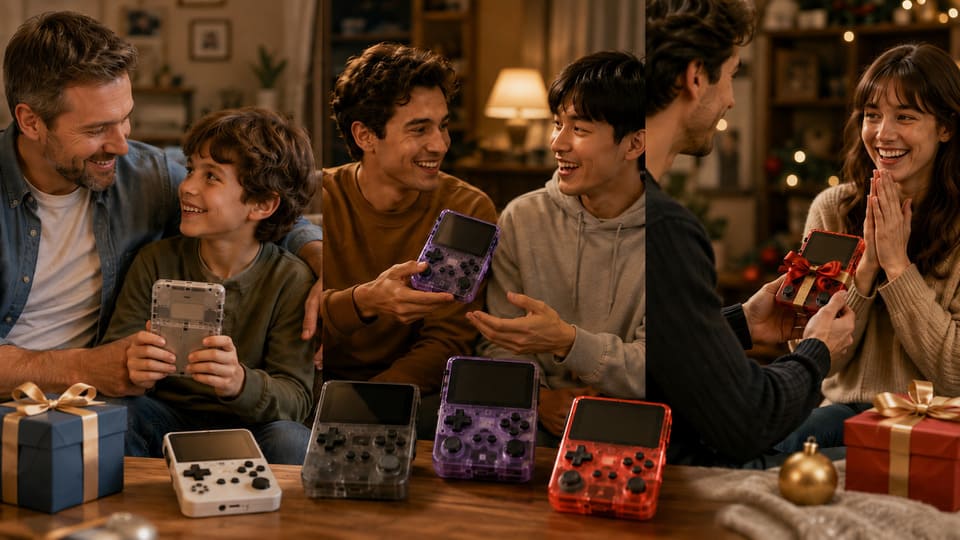
The “family bridge” effect
I like this point because it is practical. A modern premium console can be excellent, but it may not be a shared casual moment. It may require expensive games, accounts, updates, and screen time rules. A retro handheld can create a different experience.
A father may say, “Let me show you this game I played when I was young.” A child may not care about history, but they understand the fun after 30 seconds. That is powerful for gift sales.
For wholesalers and retailers, I would evaluate gift appeal through:
-
Packaging
- Does the box look retail-ready?
- Does it explain the use clearly?
- Does it look suitable for birthdays or holidays?
-
Appearance
- Does the shell look cheap or solid?
- Are the colors attractive?
- Does the design feel familiar without looking outdated?
-
User experience
- Are buttons responsive?
- Is the screen clear enough?
- Does the system start fast?
- Does gameplay feel smooth?
-
Bundle value
- Does it include charging cable, manual, or controller?
- Is the package clear for online listing photos?
- Can the SKU support different price points?
A good retro product does not need to be the cheapest. It needs to feel like a good gift after the buyer opens the box.
Low price helps sell-through, but it can also hide risk. A very cheap-looking device may increase returns, negative reviews, and after-sales pressure. For e-commerce sellers, one bad batch can damage a listing fast.
The simple answer is: buyers should compare total cost, not only unit price. Button feel, screen quality, system stability, battery performance, packaging strength, and batch consistency all affect the real cost of selling retro video games.
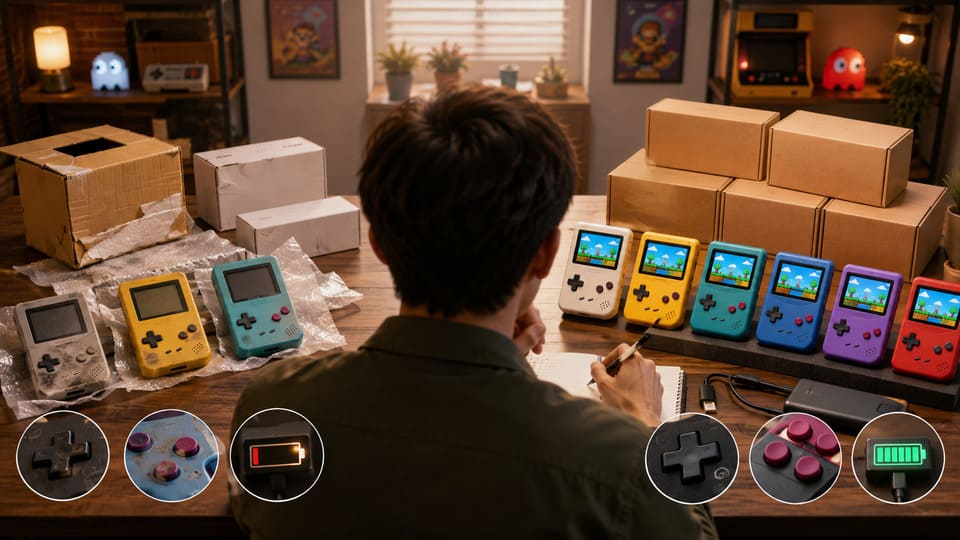
What buyers should check before ordering
I always suggest that buyers test samples like real users, not only like procurement teams. Play for 20–30 minutes. Press every button. Try charging. Check the screen angle. Restart the device several times. Shake the packaging gently. These small checks reveal many problems.
A simple evaluation table helps:
| Factor | Why it matters |
|---|---|
| Gameplay smoothness | Poor emulation or lag hurts user satisfaction |
| Button feel | Sticky buttons create quick complaints |
| Screen quality | Dim or uneven screens make the product feel cheap |
| System stability | Freezing leads to returns |
| Battery and charging | Safety and usability should be verified |
| Packaging | Weak boxes hurt gift value and shipping condition |
| Batch consistency | Repeat orders depend on stable quality |
Popularity does not mean every model will sell well. A crowded category rewards differentiation. Buyers can avoid pure price competition with custom packaging, color options, private label design, better bundles, and reliable replenishment.
In my view, the strongest retro console suppliers are not only “cheap.” They are consistent. They help buyers reduce sourcing risk.
Frequently Asked Questions
Are retro video games only popular because of nostalgia?
No. Nostalgia helps attract attention, but I see practical reasons too. Retro video games are simple, affordable, easy to gift, and suitable for quick family entertainment. Those factors matter a lot for retailers and wholesalers.
Do more built-in games make a retro console better?
Not always. A larger game list may look attractive, but user satisfaction depends more on smooth gameplay, button quality, screen clarity, system stability, and overall reliability. Buyers should test samples before placing large orders.
Are retro consoles still worth stocking for retailers?
They can be worth stocking if the product has clear positioning, stable quality, and gift appeal. I would not treat any model as a guaranteed bestseller. I would evaluate packaging, pricing, replenishment, and after-sales risk first.
How can sellers avoid competing only on price?
Sellers can differentiate with private label packaging, attractive colors, bundles, gift positioning, product photos, and stable supply. I believe these details help build repeat orders more than simply choosing the lowest-cost model.
Conclusion
Retro video games remain popular because they offer something buyers can understand quickly: affordable fun, simple play, emotional connection, and gift value. For wholesalers, distributors, and retailers, the opportunity is real, but product selection matters. I recommend checking samples carefully, verifying supplier quality control, and choosing models that balance price, reliability, and differentiation. If you are sourcing retro game consoles, I can help you evaluate OEM/ODM options for your market.