
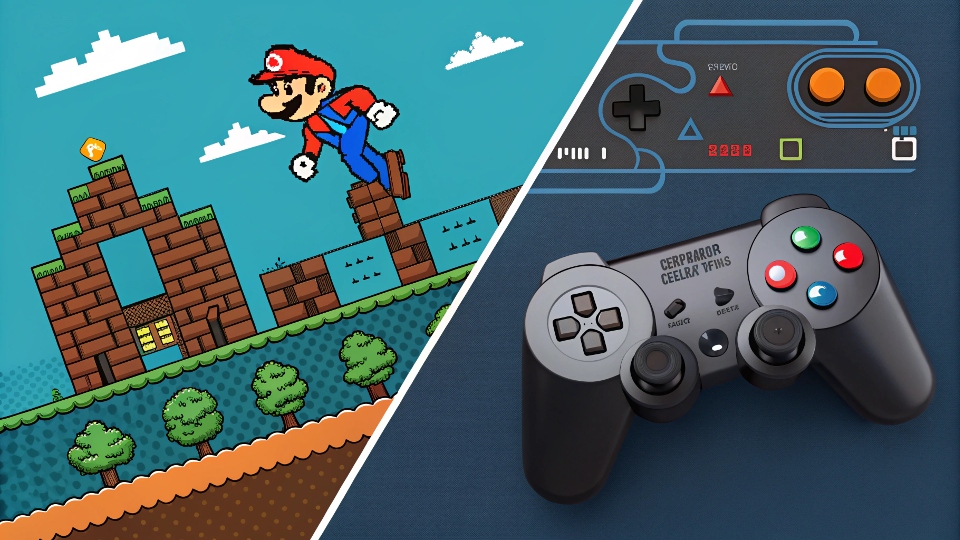

Playing a retro game like Contra or Super Mario feels like climbing a mountain with no safety nets. One wrong move and you start from the beginning again. Retro games are harder because they were designed to challenge players constantly, with limited lives, no save points, and mechanics that punish mistakes harshly—forcing players to master every move through repetition. When arcades ruled, game developers wanted players to keep inserting coins, so difficulty was part of the business model. Modern games focus on storytelling and accessibility, but retro games demand perfection. Let’s break down why these classics still test our patience—and why we love them for it.
Are retro games harder than modern games?
Modern games often hold your hand. Retro games push you off a cliff and tell you to climb back up.
Yes, retro games are harder due to finite lives, instant death traps, and no mid-level checkpoints, requiring memorization and precision that modern games rarely demand. While today’s titles offer adjustable difficulty or endless retries, retro games forced players to "git gud"—or quit.
Why the gap in difficulty?
- Design Philosophy:
- Retro: Arcade roots meant games were short but brutally hard to extend playtime.
- Modern: Emphasis on immersion means balancing challenge with progression.
- Player Expectations1:
- Retro: Satisfaction came from conquering near-impossible levels.
- Modern: Players value story and exploration over punishing mechanics.
- Tools & Tech:
- Retro: Technical limits led to simpler, tighter controls—but no room for error.
- Modern: Complex systems (e.g., skill trees) allow flexibility but reduce raw difficulty.
For example, beating Ghosts 'n Goblins required frame-perfect jumps. Modern equivalents like Dark Souls are tough but offer respawns and builds to soften blows.
Are retro games better than modern games?
Nostalgia tints our glasses, but retro games offer something many modern titles lack: unfiltered challenge.
Retro games aren’t inherently "better," but their focus on skill mastery and instant feedback creates a purity of gameplay that some players still prefer over modern cinematic experiences. They’re like chess—simple rules, infinite depth.
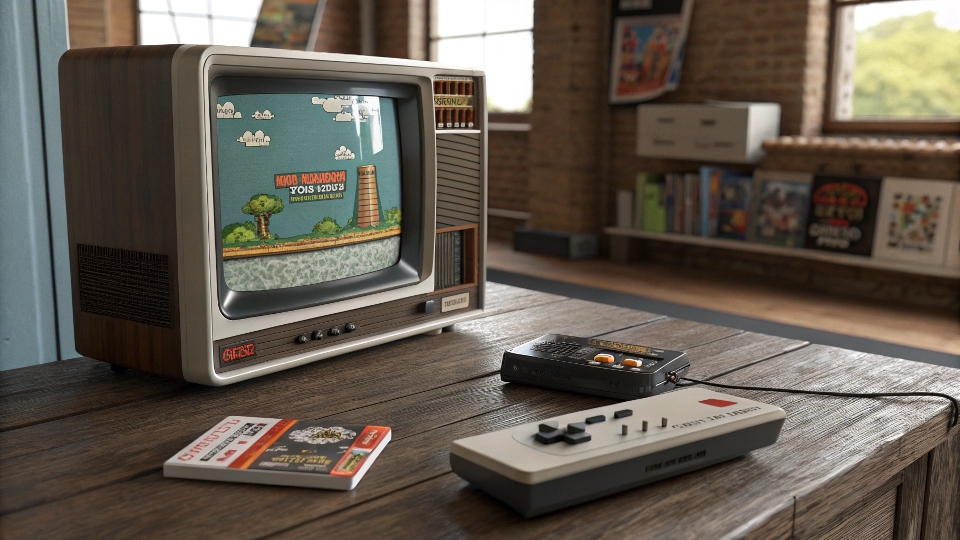
What defines "better"?
- Pacing:
- Retro: Quick to start, relentless action.
- Modern: Slow burns with cutscenes and tutorials.
- Rewards:
- Retro: High scores, personal bragging rights.
- Modern: Loot, narrative payoffs.
- Community:
- Retro: Shared struggle (e.g., Tetris highscores).
- Modern: Online co-op, streaming cultures.
A game like Celeste bridges the gap—modern polish with retro-style difficulty. It proves challenge resonates across generations when done right.Does Gen Z like retro games?
Surprisingly, yes. Viral trends like Among Us (inspired by Mafia’s simplicity) show Gen Z craves the immediacy retro games provide.
Many Gen Z players enjoy retro games for their pick-up-and-play design, streaming appeal, and the novelty of overcoming "oldschool" challenges their parents faced. Platforms like Nintendo Switch Online bundle classic titles, introducing them to new audiences.
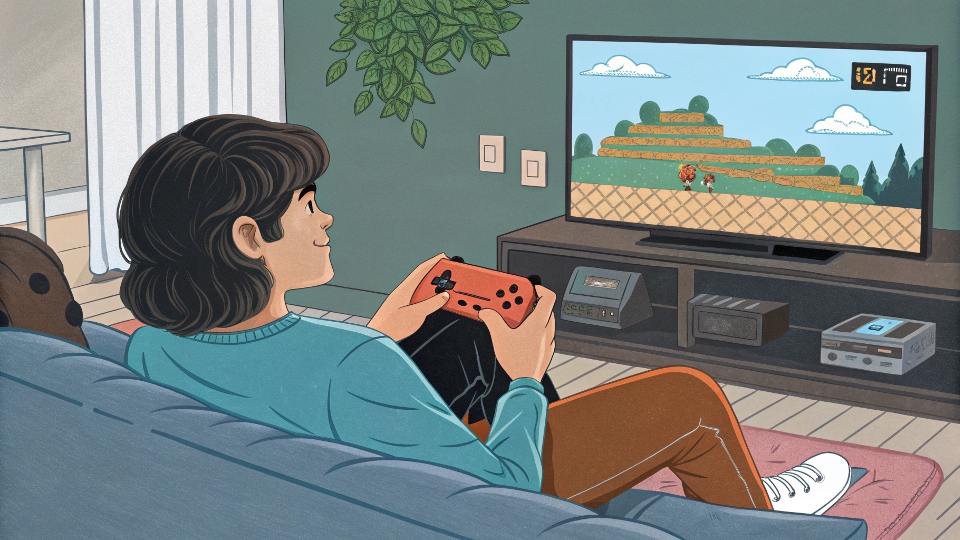
Why the appeal?
- Streamability:
- Short, explosive rounds (Pac-Man, Street Fighter) fit YouTube/TikTok formats.
- Minimalism:
- No 100-hour commitments—just pure gameplay loops.
- Challenge Culture:
- Speedruns and "hard mode" memes (Getting Over It) thrive online.
Gen Z might not have quarters for arcades, but they’ll grind Super Meat Boy for clout—and fun.Why are retro games scarier?
A pixelated zombie in Resident Evil (1996) terrified players more than 4K monsters today. Less is more.
Retro games feel scarier because technical limits forced developers to rely on atmosphere, suspense, and the player’s imagination—making threats feel unpredictable and omnipresent. Limited visuals left room for dread to fill the gaps.
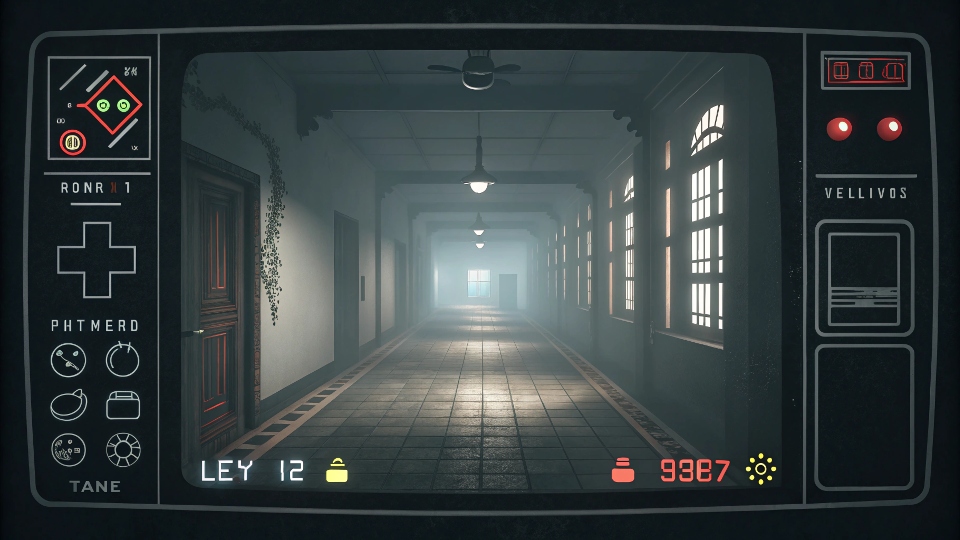
Fear factors in retro vs. modern horror:
| Retro Horror | Modern Horror |
|---|---|
| Claustrophobic fixed cameras | Over-the-shoulder views |
| Sparse sound cues | Orchestral jump scares |
| Permanent consequences | Frequent autosaves |
In Silent Hill, fog hid technical limits—and created unease. Modern horror like Dead Space shows everything, reducing mystery. That’s why Five Nights at Freddy’s—a retro-style game—became a phenomenon: it understood obscurity fuels fear.
Conclusion
Retro games test skills modern titles often cushion. Their difficulty, simplicity, and eerie tension explain why they endure—and why new players still seek them out.
Understanding player expectations can enhance game design, ensuring it meets the desires of both retro and modern gamers. ↩