
The retro handheld collector craze looks strange if you only judge it like a normal game console market. Buyers see “100 units sold out in minutes” and worry it is just hype. I see something different from customer conversations: mini consoles are often bought as small collectibles1, gifts, and display pieces.
Mini consoles sell out quickly because the best models combine nostalgia, low entry price, attractive packaging, and strong collector appeal2. For wholesalers, the real question is not “Will every retro handheld sell out?” It is whether one model has enough design value, gift appeal, and stable quality to support repeat orders.
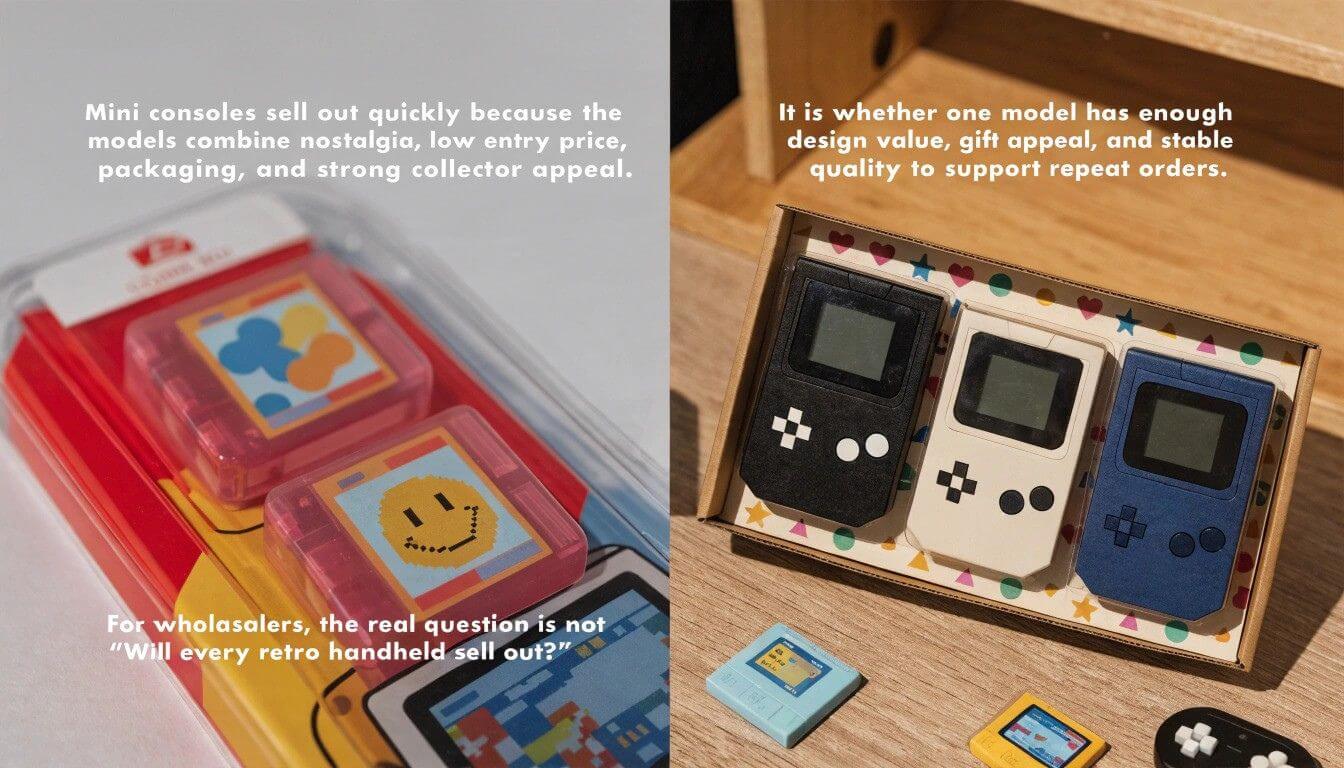
I do not treat sellouts as a buying instruction. I treat them as a demand signal3. Some models deserve inventory. Some only look hot for one week. The difference matters a lot for distributors.
Why did the video game mini console trend decline in the retro handheld collector craze?
Many video game mini console products declined because they became too similar. When every supplier offers the same shell, same games, same screen size, and same low-price promise, buyers stop seeing collector value.
The mini console trend declined in some channels because products lost differentiation4. Nostalgia can attract first attention5, but weak design, poor packaging, unstable performance, and high return rates6 can quickly reduce repeat orders from wholesalers and retailers.
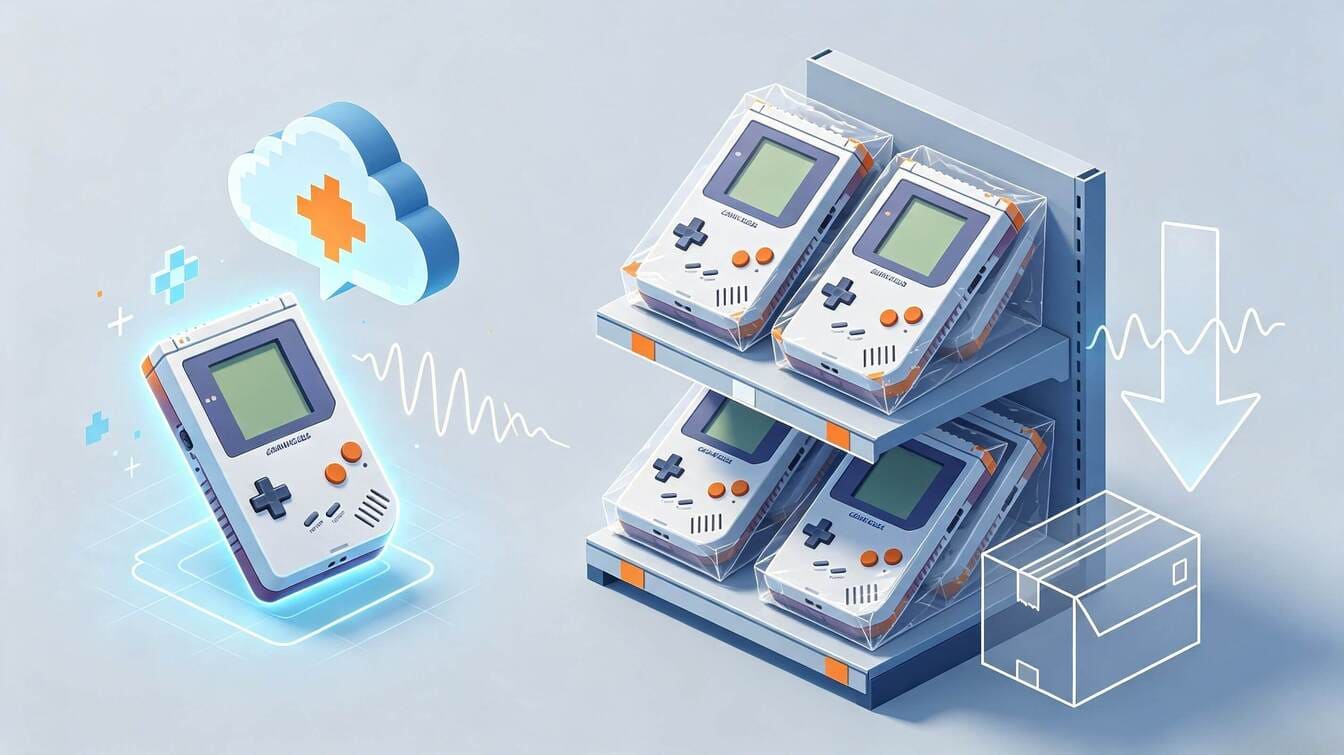
From my side as a manufacturer, I often hear the same concern from overseas buyers: “The first batch moved fast, but the second batch slowed down.” That usually means the product was bought as a novelty, not as a collectible.
What buyers should check
A mini console has stronger wholesale potential when it has:
- A clear version identity: Purple, Blue, transparent shell, limited color, special packaging.
- Gift-ready presentation7: clean box design, good manual, protective insert, barcode support.
- Stable user experience: simple UI, reliable buttons, good battery behavior, acceptable screen quality.
- Low complaint risk: fewer returns, fewer “not as expected” reviews.
- Repeat-purchase logic: customers want the next color or upgraded edition.
In my opinion, the ceiling of mini retro handhelds is not performance. It is design and emotion. If the product looks refined, people want to own it, show it on a desk, post it online, or give it as a gift.
What is the quickest selling console?
The quickest selling console depends on how you define “quickest.” Limited-edition mini consoles can sell out in minutes, while major brands usually report sales over days, weeks, or months.
For procurement, “quickest selling console” should not be judged only by sellout speed. A fast sellout may show strong demand, limited supply, or both.8 Wholesalers should compare sell-through, restocking demand, return rate, and customer feedback before increasing order volume.

A “100 units sold out in minutes” story sounds exciting. But I would not advise a distributor to place a large order only because of that.
Better signals than viral sellout
| Signal | Why it matters |
|---|---|
| Repeat orders | Shows demand is not only first-wave hype |
| Low return rate | Protects margin and channel confidence |
| Packaging appeal | Improves gift and shelf performance |
| Color/version demand | Supports collector buying behavior |
| Stable supply | Helps wholesalers plan holiday inventory |
For B2B buyers, fast turnover is attractive. Mini handhelds are small, light, lower-ticket items, and easy to bundle.9 Before holidays, many buyers like to prepare stock one month earlier. If the design is right, these products can clear quickly in gift channels.
Still, speed alone is dangerous. A product can sell out because the first batch was tiny. A better model is one that sells, restocks, and sells again.
Why is there a console shortage in the retro handheld collector craze?
Console shortages happen for different reasons. Sometimes demand is real. Sometimes production is limited. Sometimes packaging, chips, screens, batteries, or logistics create bottlenecks10.
In the retro handheld collector craze, shortages are often caused by small production runs, fast holiday demand, color-version demand, and cautious inventory planning11. Buyers should confirm lead time, production capacity, component availability, and QC process before relying on one supplier.
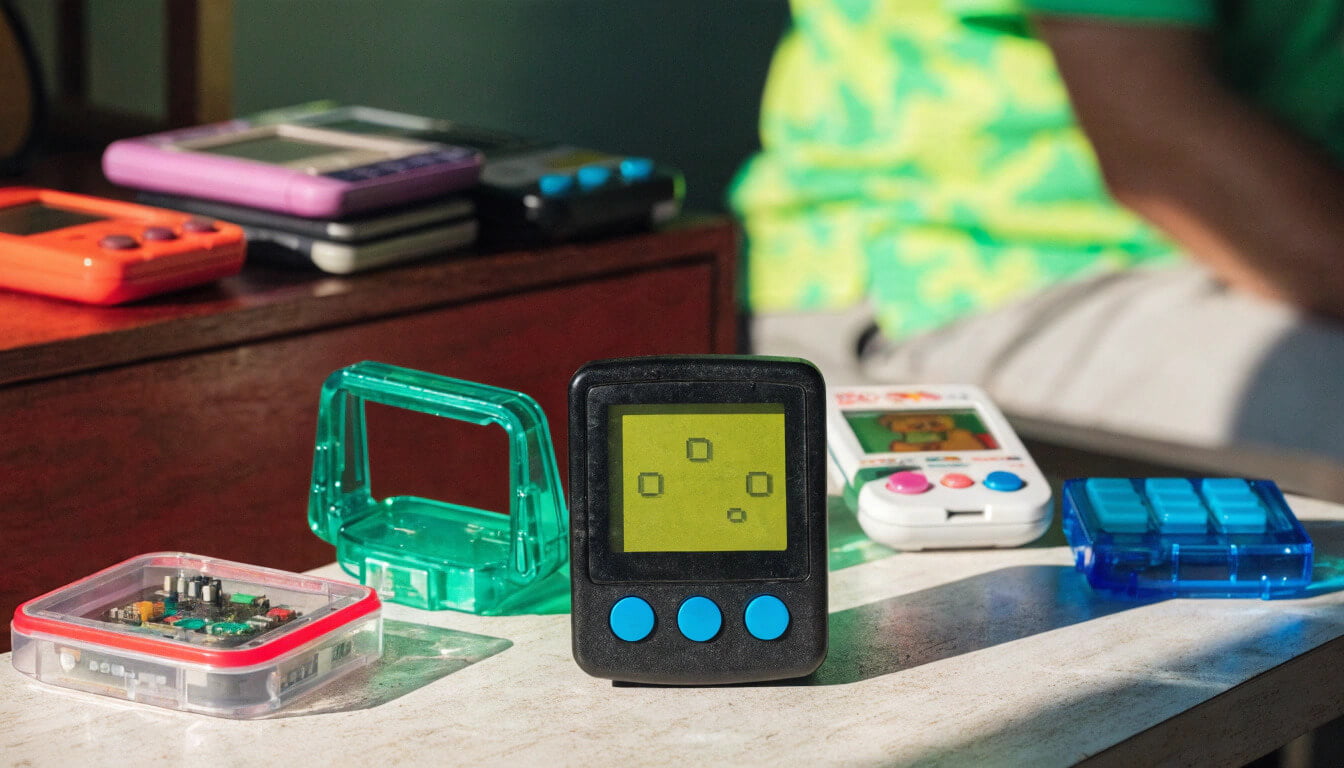
For mini consoles, shortage does not always mean the product is impossible to produce. It may mean the supplier did not want to overbuild before seeing market feedback.
As a manufacturer, I prefer buyers to verify:
- Mass production schedule
- Available color options
- Packaging lead time
- Battery and screen supply
- Pre-shipment inspection process
- After-sales support plan
This matters because a collectible product can still fail if quality is unstable. A beautiful shell cannot save bad buttons, confusing menus, or weak battery performance. For wholesalers, one viral product with high complaints can damage the next order cycle.
What is the highest selling handheld console of all time?
The highest selling dedicated handheld console of all time is generally recognized as the Nintendo DS family12, with about 154 million units sold globally. The Game Boy family also remains one of the most successful handheld lines.
The Nintendo DS shows an important lesson for today’s mini console buyers: long-term success comes from accessible gameplay, strong product identity, broad audience appeal, and reliable hardware experience—not nostalgia alone.
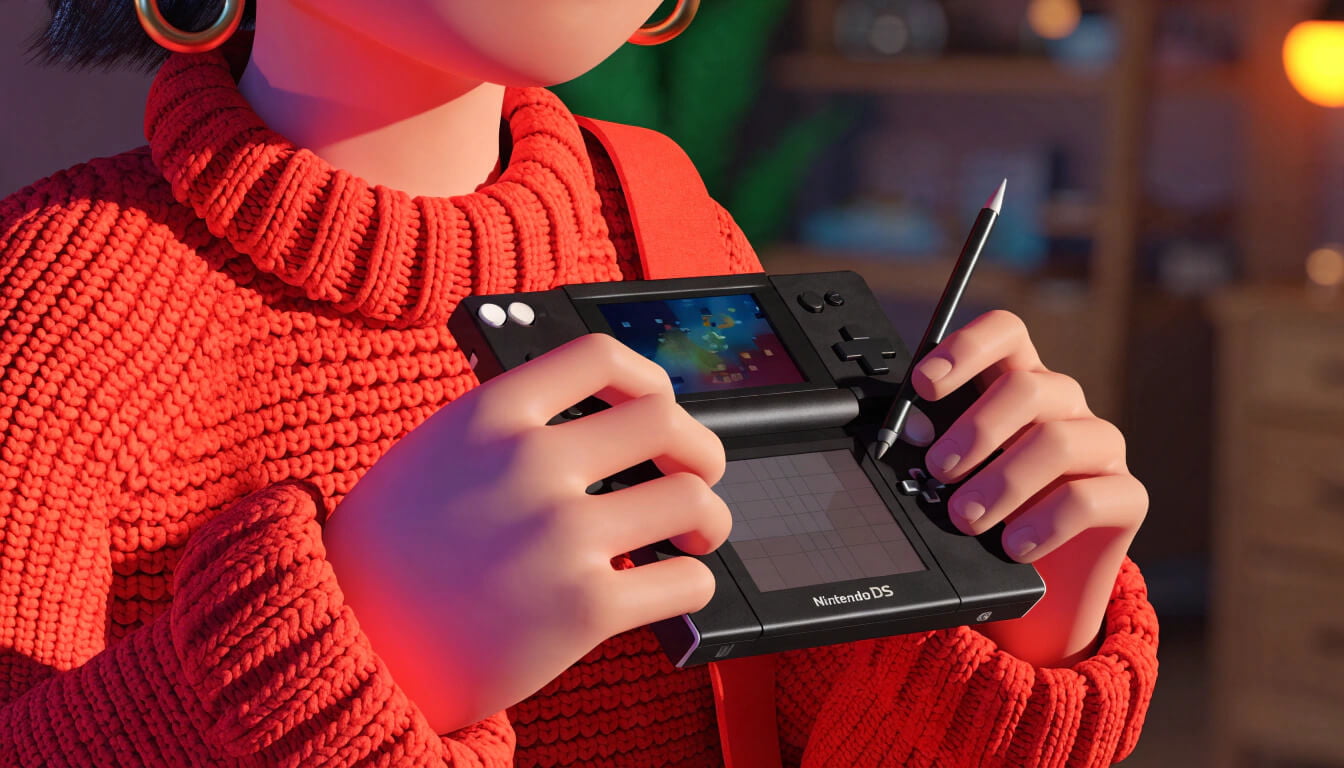
Mini retro handhelds are not trying to replace major consoles. They occupy a different space. They are small, affordable, emotional, and collectible.
For wholesalers, I would compare models like this:
| Buying factor | Weak model | Strong model |
|---|---|---|
| Design | Generic retro look | Distinct collectible style |
| Packaging | Plain export box | Gift-ready retail box |
| Experience | Many complaints | Simple and stable use |
| Versions | One color only | Multiple collectible editions |
| Demand | One-time hype | Repeat restocking potential |
This is why I believe mini retro handhelds may become one of the faster-growing B2B subcategories in late 2026. Not every model will win. But the models with design, emotion, and stable quality have room to grow.
Frequently Asked Questions About the Retro Handheld Collector Craze
Are mini consoles good products for wholesalers?
Yes, if the model has clear collector value, stable quality, and attractive packaging. Wholesalers should avoid choosing only the cheapest option because poor user experience can create returns and reduce repeat orders.
Do mini consoles sell well during holidays?
Mini consoles often fit holiday demand because they are small, giftable, and affordable. Many buyers prepare stock about one month before major shopping seasons, but exact timing depends on shipping route and local sales channels.
Should distributors buy every viral retro handheld?
No. A viral sellout is only one signal. Distributors should check product quality, supplier capacity, packaging, customer feedback, and restocking potential before placing larger orders.
What makes a retro handheld collectible?
A collectible retro handheld usually has a strong visual identity, special colors, compact size, good packaging, and emotional appeal. Buyers often want to display it, gift it, or collect multiple versions.
Conclusion: What the Retro Handheld Collector Craze Means for Buyers
The retro handheld collector craze is real, but it is not automatic profit. Nostalgia opens the door. Design, packaging, quality, and repeat demand decide whether a product deserves wholesale inventory. I suggest buyers treat sellouts as signals, not guarantees. If you are evaluating mini consoles for your market, I can help review OEM/ODM options, packaging ideas, and production planning before your next order.
"Temporal Landmarks and Nostalgic Consumption: The Role of the Need ...", https://pmc.ncbi.nlm.nih.gov/articles/PMC10886383/. Research on nostalgia-based consumption and collecting behavior supports the view that consumers may value retro products for emotional, identity, and display-related reasons, not only for functional utility. Evidence role: general_support; source type: paper. Supports: Nostalgia and collecting motives can influence consumer interest in retro or collectible products.. Scope note: This would provide contextual support for collectible motivation, rather than direct sales evidence for mini handheld consoles. ↩
"The Impact of Visual Elements of Packaging Design on Purchase ...", https://pmc.ncbi.nlm.nih.gov/articles/PMC11851823/. Consumer-behavior research indicates that nostalgia appeals, perceived value, product presentation, and scarcity or collectibility can increase purchase intention, offering a plausible mechanism for rapid sales of some mini-console products. Evidence role: mechanism; source type: paper. Supports: Nostalgia, price accessibility, packaging design, and perceived collectibility can affect consumer purchase intention.. Scope note: The source would explain the underlying consumer mechanisms, not prove that any specific mini console sold out for these exact reasons. ↩
"Bullwhip effect", https://en.wikipedia.org/wiki/Bullwhip_effect. Operations-management literature treats stockouts as informative but incomplete demand observations, because observed sellouts may reflect both consumer demand and restricted inventory availability. Evidence role: mechanism; source type: paper. Supports: Sellout or stockout events can indicate demand, but interpretation is complicated by inventory limits and supply constraints.. Scope note: This supports the analytical caution around sellouts generally, not the performance of a particular retro handheld model. ↩
"Product Reviews and Competition in Markets for Repeat Purchase ...", https://repository.upenn.edu/bitstreams/d18622ce-f8e7-45db-9f1e-6bdad091b3c7/download. Marketing research on product differentiation shows that when products are perceived as highly similar, firms often face weaker perceived uniqueness and greater price-based competition. Evidence role: general_support; source type: paper. Supports: Reduced product differentiation can weaken perceived value and intensify competition in consumer product markets.. Scope note: The evidence would support the general market mechanism, not document a specific decline in mini-console sales channels. ↩
"Advertising", https://en.wikipedia.org/wiki/Advertising. Studies of nostalgia marketing find that nostalgic cues can strengthen emotional engagement and purchase intention, which supports the claim that nostalgia may help attract initial consumer attention. Evidence role: mechanism; source type: paper. Supports: Nostalgia appeals can increase consumer attention, emotional connection, and purchase intention.. Scope note: This is contextual support for nostalgia effects and does not establish repeat-order performance for mini consoles. ↩
"Consumer behaviour", https://en.wikipedia.org/wiki/Consumer_behaviour. Research on product quality, packaging, and consumer returns indicates that defects and unmet expectations can reduce satisfaction and repeat-purchase intention while increasing channel costs. Evidence role: mechanism; source type: paper. Supports: Product quality, packaging, and return experiences influence satisfaction, repeat purchase, and retailer profitability.. Scope note: The evidence would support the general retail mechanism rather than provide mini-console-specific return-rate data. ↩
"The Impact of Visual Elements of Packaging Design on ... - PMC", https://pmc.ncbi.nlm.nih.gov/articles/PMC11851823/. Packaging research shows that visual design, information, and presentation can affect perceived value and purchase decisions, providing contextual support for the importance of gift-ready retail packaging. Evidence role: general_support; source type: paper. Supports: Packaging design and presentation influence perceived product value and purchase decisions, including gift-oriented buying.. Scope note: The source would support packaging effects broadly, not quantify the effect for retro handheld consoles specifically. ↩
"FreshRetailNet-LT: A Stockout-Annotated Censored Demand ...", https://arxiv.org/html/2505.16319v3. Inventory-management research describes stockout sales data as censored demand observations, meaning a rapid sellout may reflect high demand, insufficient inventory, or both. Evidence role: mechanism; source type: paper. Supports: Observed sales during stockouts are censored and cannot distinguish full demand from supply limits without additional data.. ↩
"Product bundling", https://en.wikipedia.org/wiki/Product_bundling. Retail and pricing research on product bundling supports the general claim that lower-priced complementary items can be packaged together to increase perceived value and purchasing convenience. Evidence role: general_support; source type: paper. Supports: Low-priced, easily handled products are commonly used in retail bundling and promotional strategies.. Scope note: This would support the bundling logic generally, not establish that mini handhelds outperform other products in gift channels. ↩
"BUILDING RESILIENT SUPPLY CHAINS, REVITALIZING ...", https://bidenwhitehouse.archives.gov/wp-content/uploads/2021/06/100-day-supply-chain-review-report.pdf?utm_source=sfmc%E2%80%8B&utm_medium=email%E2%80%8B&utm_campaign=20210610_Global_Manufacturing_Economic_Update_June_Members. Institutional analyses of electronics supply chains identify semiconductors, components, batteries, packaging materials, and transport logistics as potential bottlenecks affecting production and delivery schedules. Evidence role: general_support; source type: institution. Supports: Electronics supply chains are vulnerable to shortages or delays in semiconductors, components, batteries, packaging, and logistics.. Scope note: This supports the general supply-chain risk, not the conditions of a specific mini-console supplier. ↩
"Demand forecasting", https://en.wikipedia.org/wiki/Demand_forecasting. Supply-chain research shows that shortages may arise from the interaction of demand uncertainty, production-capacity limits, SKU variety, and conservative inventory policies. Evidence role: mechanism; source type: paper. Supports: Product shortages can result from demand surges, limited production capacity, SKU complexity, and conservative inventory decisions.. Scope note: The evidence would explain shortage mechanisms broadly and may not provide direct data for the retro handheld category. ↩
"Nintendo DS sales", https://en.wikipedia.org/wiki/Nintendo_DS_sales. Nintendo’s official hardware sales data report lifetime Nintendo DS family sales of approximately 154 million units worldwide, supporting its status among the highest-selling dedicated handheld console lines. Evidence role: statistic; source type: institution. Supports: Nintendo DS lifetime hardware sales were approximately 154 million units worldwide.. ↩