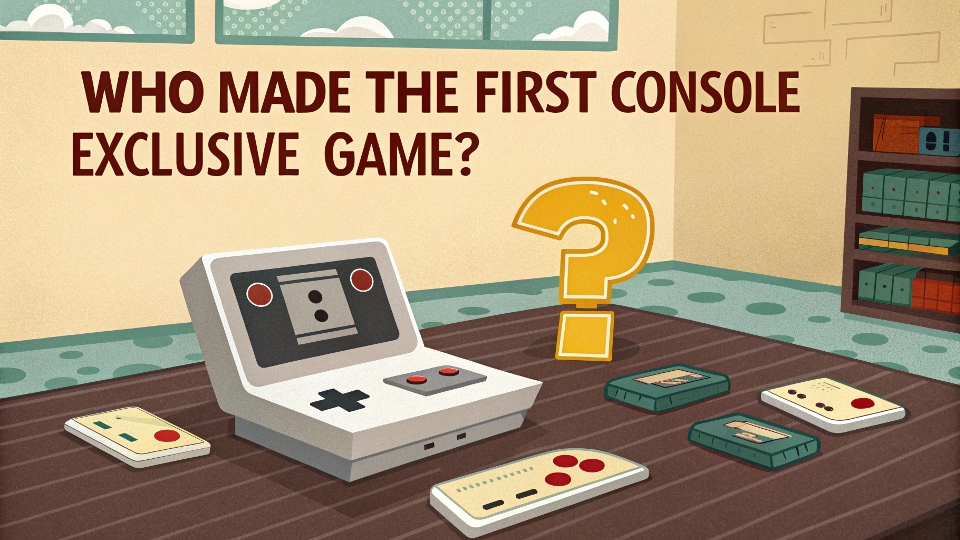

Imagine wanting to play a game so badly, but finding out it's only on one console. That's the power - and frustration - of exclusives. Let's explore where it all began.
The first known console exclusive game was "Spacewar!" created in 1962 for the PDP-1 mini-computer, but the concept truly took off with 1970s arcade-to-home console ports.
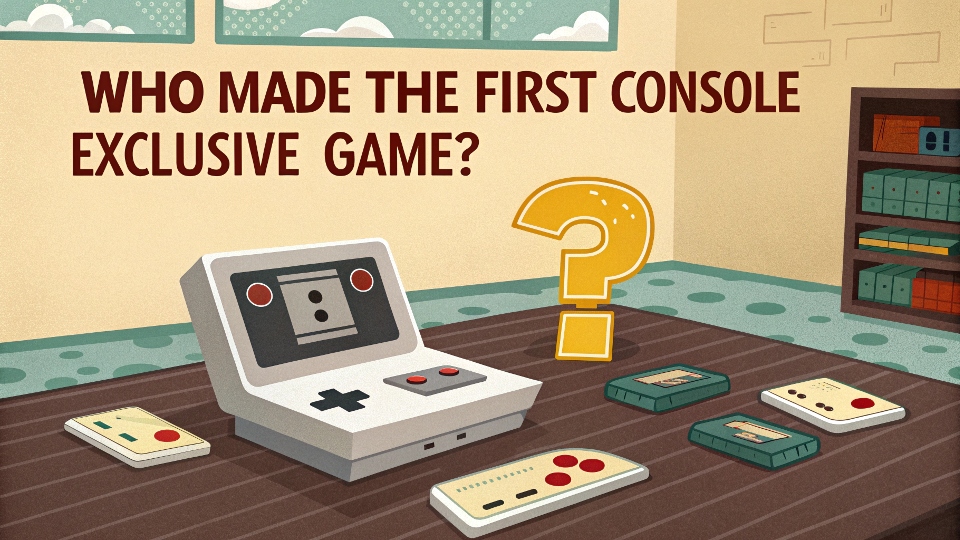
To really understand exclusive games, we need to go back to the beginnings of gaming itself. The history of consoles and exclusives is surprisingly interconnected.
Who created the first game console?
Before exclusives could exist, someone had to invent the game console itself. The story begins in a living room in the 1960s.
The first home video game console was the Magnavox Odyssey, created by Ralph Baer and released in 1972. It featured simple games like table tennis.
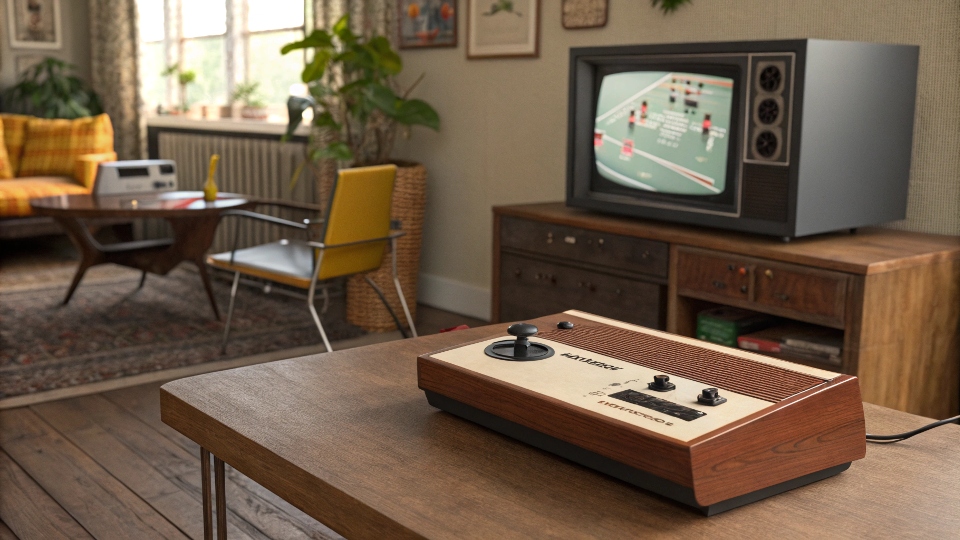
The journey from that simple brown box to modern consoles involves key milestones:
Key facts about early consoles:
| Console | Year | Creator | Notable Feature |
|---|---|---|---|
| Magnavox Odyssey | 1972 | Ralph Baer | First home console |
| Atari Pong | 1975 | Atari | Single game unit |
| Fairchild Channel F | 1976 | Fairchild | First removable cartridges |
The concept of exclusive games emerged naturally as manufacturers wanted to differentiate their systems. Early "exclusives" were often just games ported from arcades or specially designed for particular hardware capabilities. The economic model we know today - where companies pay for exclusivity - developed gradually throughout the 1980s and 1990s.
What was the first PlayStation exclusive game?
Sony changed gaming forever with PlayStation. Their exclusive titles became legendary, but which game started it all?
The first true PlayStation exclusive was "Jumping Flash!" released alongside the console in 1994 in Japan and 1995 worldwide.
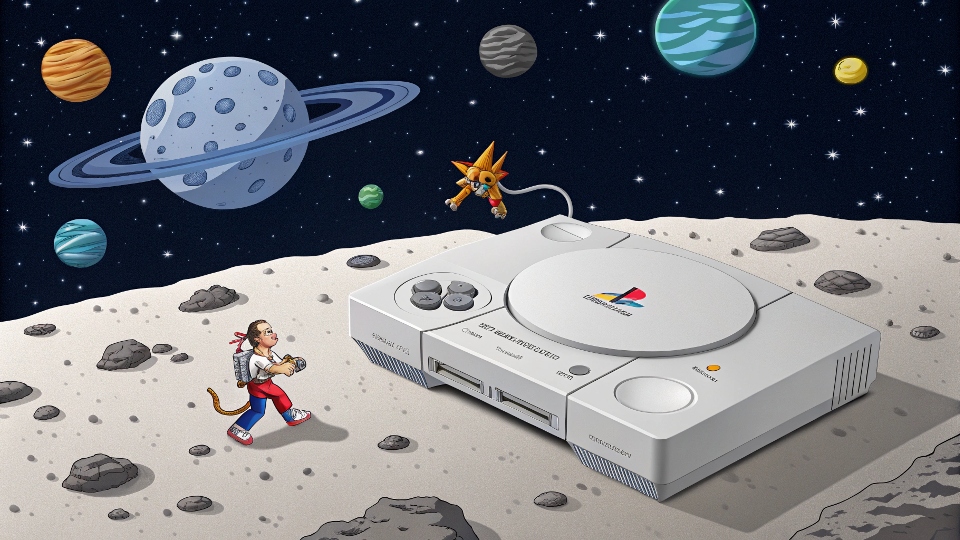
PlayStation's exclusive strategy evolved significantly over time:
PlayStation exclusive phases:
- Early Years (1994-2000): Simple 3D games showcasing new technology
- PS2 Era (2000-2006): Blockbuster franchises like "God of War"
- Modern Era (2013-present): Story-driven masterpieces like "The Last of Us"
Sony's approach shows how exclusives transformed from technical demonstrations to system-selling masterpieces. Originally meant to show off hardware capabilities, they became cultural phenomena worth buying consoles for.
Did Xbox or PS1 come first?
Today's console wars between Xbox and PlayStation make it easy to forget one came much later than the other.
The PlayStation 1 launched in 1994 (Japan) while the original Xbox didn't arrive until 2001 - seven years later.
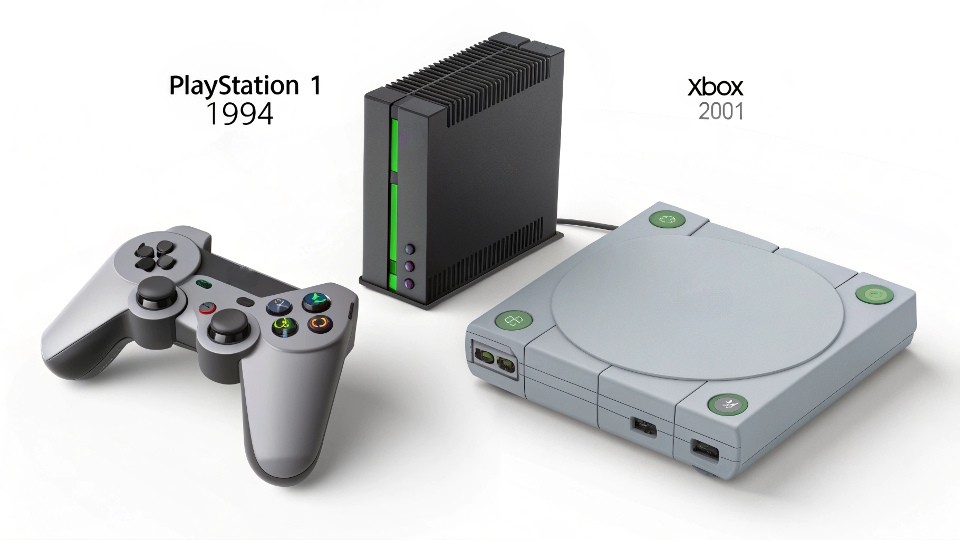
The different launch dates shaped each company's exclusive strategy:
Exclusive strategy comparison:
| Factor | PlayStation | Xbox |
|---|---|---|
| First Party Studios | Built over decades | Acquired existing teams |
| Exclusive Focus | Single-player narratives | Online multiplayer |
| Development Time | 3-5 years per game | Faster iterations |
Microsoft entered the market facing an established competitor, forcing them to buy exclusives (like "Halo") rather than develop them internally at first. This difference in origin still affects their approaches today.
What is a console exclusive?
The term gets thrown around a lot, but what exactly makes a game "exclusive"? The definition has changed over time.
A console exclusive is a game available only on one specific hardware platform, though it may appear on PC or other non-console systems.
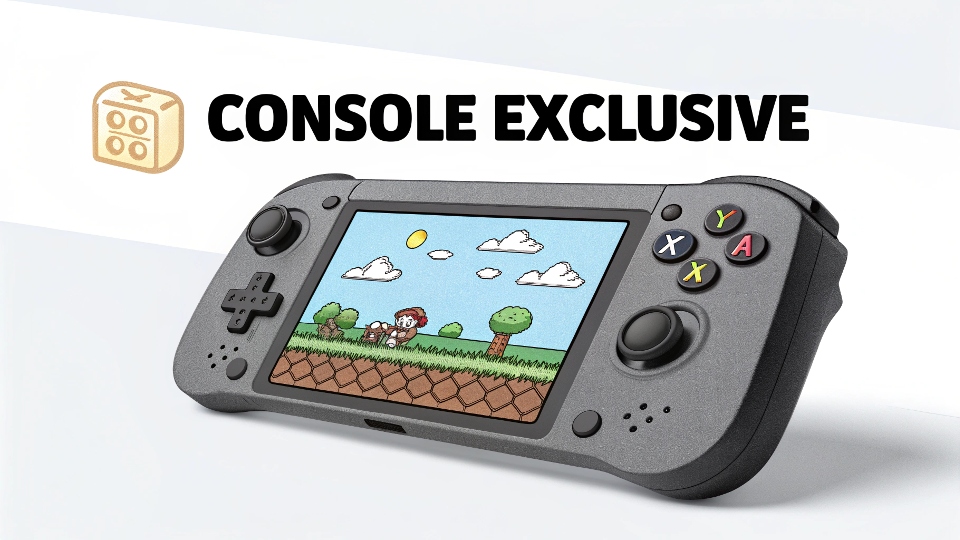
Modern exclusivity comes in several forms:
Types of exclusives today:
- True Exclusive: Only on one platform (e.g. Nintendo's Mario games)
- Timed Exclusive: Available elsewhere after months/years
- Content Exclusive: Extra features on one platform
- Subscription Exclusive: Only on specific services
The rise of cloud gaming and subscription services is changing exclusivity. Games may remain exclusive to platforms like Xbox Game Pass rather than specific hardware. This shift could make the hardware itself matter less over time.
Conclusion
Exclusive games began as technical demonstrations and became powerful tools in console wars, though cloud gaming may change this forever.