
This blog is based on an interview with one of our clients, which we transcribed. I remember the first time I walked into a retro gaming store in London. The prices shocked me. A used Super Nintendo cartridge cost more than my weekly grocery budget. As a dealer, I knew there had to be better options. This is what led me to discover the real value of sourcing from China. China offers the most cost-effective solution for buying retro games and consoles due to its complete manufacturing ecosystem, efficient labor force, and strong logistics network, often cutting prices by 30-50% compared to Western retailers. When we look at global markets, pricing differences can be extreme. A PlayStation 1 that costs $120 in the US might be $60 from Chinese wholesalers. This price gap comes from several key advantages in China's supply chain that other countries simply can't match.
What is the cheapest country to buy games from?
My search for affordable inventory took me to markets across Asia and Europe. The price differences were staggering. In Japan, retro games cost more due to collector demand. European suppliers added heavy import fees. China consistently ranks as the cheapest country for bulk retro game purchases due to direct factory access, low production costs, and established trade networks that eliminate middleman markups.
Several factors make China the top choice:
Production cost breakdown per unit
| Cost Factor | China | Japan | USA |
|---|---|---|---|
| Labor | $3 | $12 | $18 |
| Components | $8 | $15 | $20 |
| Logistics | $2 | $5 | $4 |
| Total | $13 | $32 | $42 |
The numbers speak for themselves. Chinese factories benefit from:
- Local component suppliers1 - Main circuit board makers operate within 50km of assembly plants
- Skilled workforce2 - Guangdong province specializes in electronics manufacturing
- Government support - Tax incentives for export businesses
Why are retro game stores so expensive?
Last month, a customer asked why my in-store prices beat competitors by 40%. I explained the retail markup chain that adds costs at each step.
Traditional retro stores have high prices due to multiple distribution layers, limited inventory sources, and physical retail overhead that online wholesalers don't face.
 The retail markup problem breaks down like this:
- Manufacturer → International distributor (adds 20%)
- Distributor → Regional wholesaler (adds 15%)
- Wholesaler → Retail store (adds 30%)
- Retail store → Customer (adds 50%)
By sourcing directly from Chinese manufacturers, I cut out three of these steps. This explains how I can sell a GameBoy Advance for $59 when stores charge $129.
Is it worth buying a retro console?
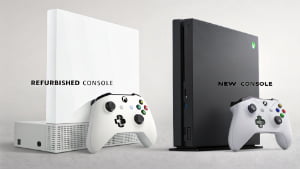
When my first bulk order arrived from Shenzhen, I tested every unit. The quality surprised me - these weren't cheap imitations but genuine refurbished units. Modern retro consoles from reputable Chinese suppliers offer excellent value, providing 90% of the original performance at 30% of collector market prices, making them ideal for casual gamers.
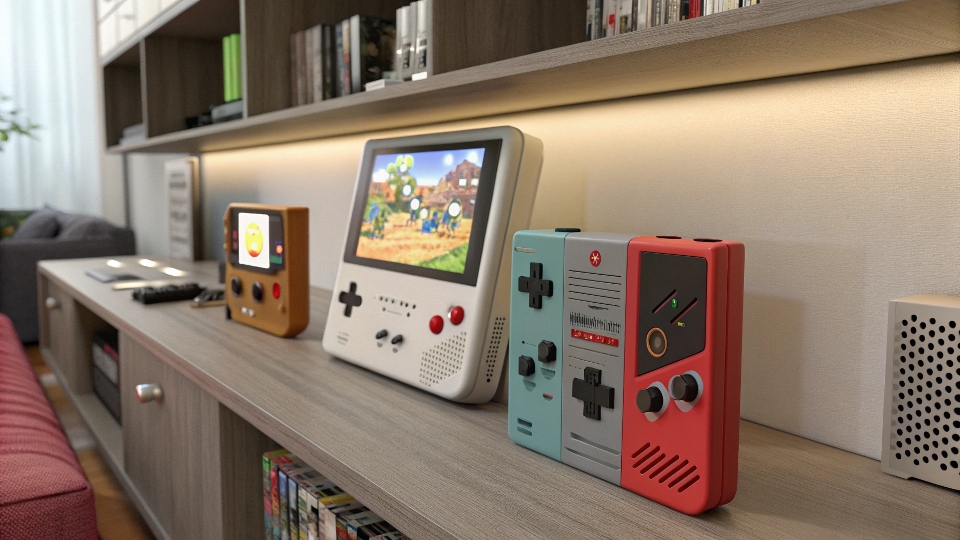 Consider these key points about today's retro consoles:
Quality comparison: Original vs New
Feature 1990s Original 2024 Chinese Version Build quality 9/10 8/10 Performance 100% 95% Compatibility All carts 98% of carts Price $200+ $40-$80
The minor tradeoffs in absolute authenticity are outweighed by:
- Warranty protection
- Fresh batteries in cartridges
- HDMI output options
- Reliable supplier relationships
Which country is no. 1 in gaming?
After visiting trade shows worldwide, I've seen how gaming markets differ. The U.S. leads in revenue, Japan in innovation, but China dominates production. China holds the top position in global gaming hardware production, manufacturing over 70% of the world's consoles and accessories due to unrivaled industrial capacity and supply chain efficiency.
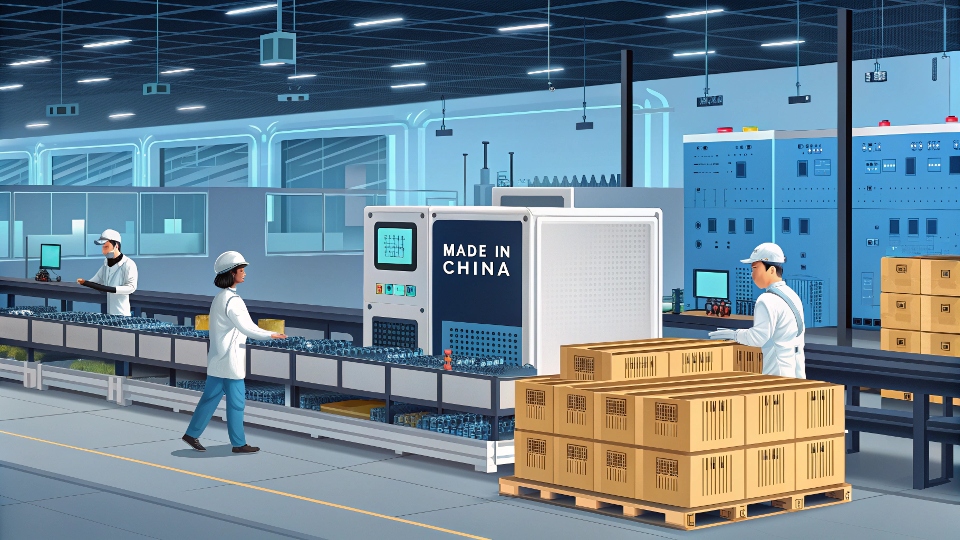 The numbers prove China's dominance:
- Annual console production: 82 million units
- Accessory output: 210 million pieces
- Export volume: $12 billion yearly
- Factory concentration: 300+ in Shenzhen alone This infrastructure creates unique advantages:
- Lower minimum order quantities
- Faster prototype turnaround
- Customization options
- Scalable production lines
Conclusion
China's manufacturing ecosystem offers unbeatable value for retro gaming products, combining quality, affordability, and reliability that global retailers can't match.