
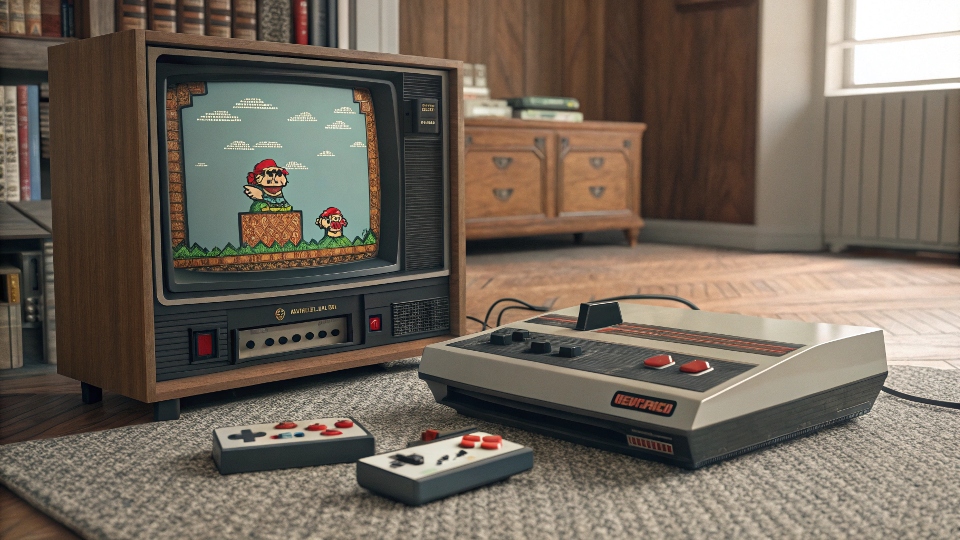

Remember the joy of simple games? Old consoles brought us classics like Mario and Tetris. They shaped gaming as we know it today. Old video game consoles are outdated gaming devices that popularized early digital entertainment. These include iconic systems like the Atari 2600, Nintendo NES, and Sega Genesis that defined generations. These consoles may seem primitive today, but their impact lasts. Let's explore why these gaming relics still matter decades later.
What are some old gaming consoles?
Hundreds of consoles exist, but some stand out as true classics that changed gaming forever. Famous old consoles include the Magnavox Odyssey (1972), Atari 2600 (1977), Nintendo NES (1983), Sega Genesis (1988), and Sony PlayStation (1994). Each introduced groundbreaking features for their era.
Key vintage consoles by era:
| Era | Console | Year | Notable Features |
|---|---|---|---|
| First Generation | Magnavox Odyssey | 1972 | First commercial home console |
| Second Generation | Atari 2600 | 1977 | Introduced game cartridges |
| Third Generation | Nintendo NES | 1983 | Saved gaming after 1983 crash |
| Fourth Generation | Sega Genesis | 1988 | 16-bit graphics revolution |
| Fifth Generation | Sony PlayStation | 1994 | Brought 3D gaming mainstream |
These systems pioneered concepts we take for granted today. The Atari 2600 made interchangeable games standard. The NES introduced directional pads and saved the industry after the 1983 crash. PlayStation moved gaming from cartridges to CDs, increasing storage dramatically.
What is the oldest gaming console?
Gaming history begins earlier than most realize. The first console predates colorful graphics and complex controllers.
The Magnavox Odyssey, released in 1972, is considered the first commercial home video game console. It used simple overlays and basic electronic components.
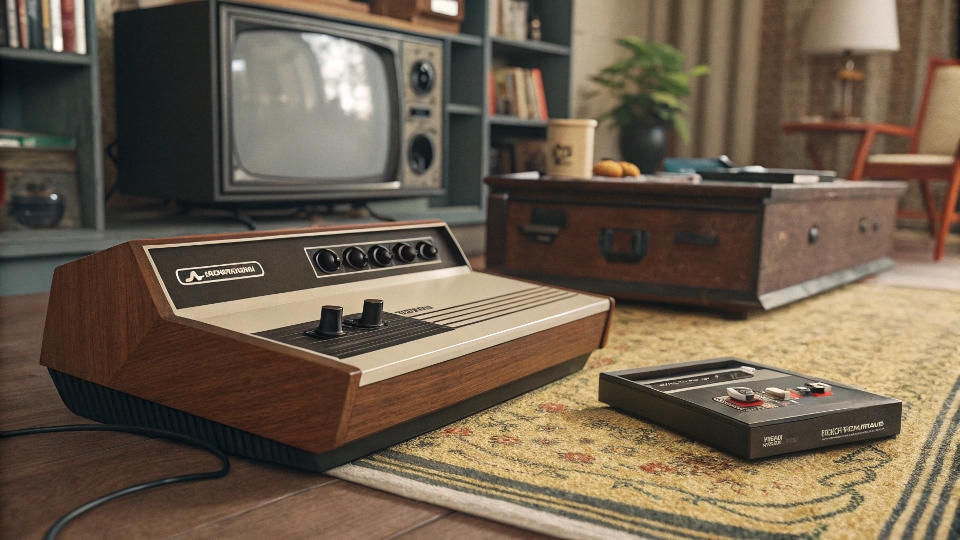
Magnavox Odyssey key facts:
- Release Year: 1972
- Price: $99 (equivalent to ~$700 today)
- Graphics: Monochrome, no sound
- Games: 28 total, including table tennis
- Technology: Used discrete transistors (no microprocessors)
- Controllers: Knobs for horizontal/vertical movement This primitive system came with plastic overlays for TV screens to simulate colors and backgrounds. Players had to keep score manually. Despite limitations, it started the home gaming revolution1. Ralph Baer, its creator, is now called the "father of video games2."
What are the 9 generations of consoles?
Console evolution divides neatly into generations. Each brought dramatic improvements in technology and gameplay.
The 9 console generations span from 1972 to present, marked by major leaps in graphics, processing power, and media formats every 5-7 years.
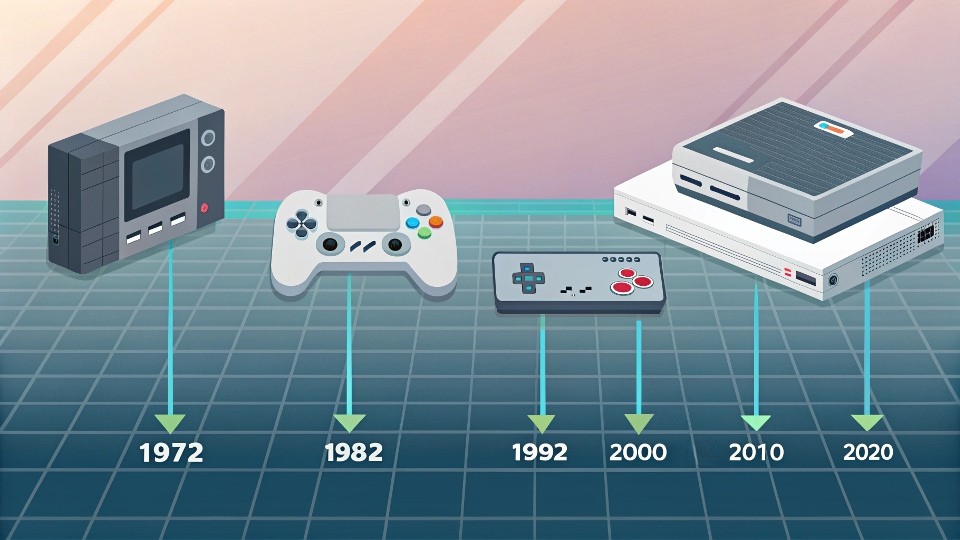
Console generations breakdown:
- 1st Gen (1972-1977): Odyssey, Pong consoles - Basic dedicated systems
- 2nd Gen (1976-1984): Atari 2600, Intellivision - Cartridge-based games
- 3rd Gen (1983-1992): NES, Sega Master System - 8-bit era
- 4th Gen (1987-1996): SNES, Genesis - 16-bit golden age
- 5th Gen (1993-2006): PlayStation, N64 - 3D graphics debut
- 6th Gen (1998-2013): PS2, Xbox - DVD/CD gaming1
- 7th Gen (2005-2017): PS3, Xbox 360 - HD gaming
- 8th Gen (2012-2020): PS4, Xbox One - Social/sharing features
- 9th Gen (2020-now): PS5, Series X - 4K/120fps gaming2 Each generation lasted about 6 years on average. Technological improvements include better graphics, new storage formats (cartridges → CDs → DVDs → downloads), and innovative controllers (D-pads → analog sticks → motion controls).
What is considered a vintage console?
Not every old console qualifies as vintage. True vintage status requires historical significance and collector demand.
Typically, consoles over 20 years old with cultural impact are considered vintage. This includes pre-2000 systems like NES, Atari 2600, and original PlayStation.
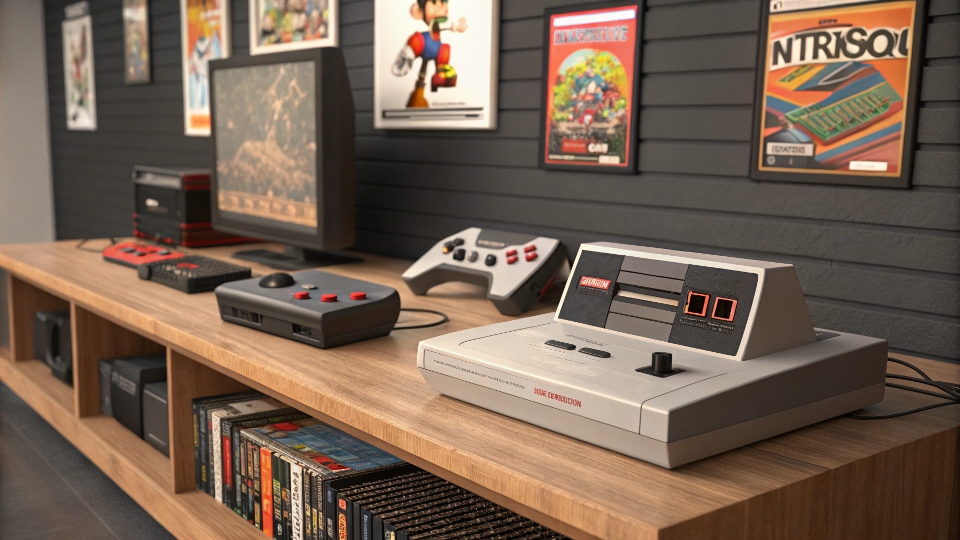
Vintage console criteria:
- Age: Generally 20+ years old
- Rarity: Limited production runs increase value
- Condition: Unopened/"mint" units command premium prices
- Cultural Impact: Must have influenced gaming history
Most collected vintage consoles:
- Atari 2600 (1977): The first massively successful console
- NES (1985): Revived the industry after 1983 crash
- Sega Genesis (1989): Defined 16-bit era competition
- SNES (1991): Advanced graphics/sound capabilities
- PlayStation (1995): Made gaming mainstream worldwide
Vintage consoles attract two main buyer groups: nostalgia-seeking original owners, and younger collectors discovering gaming history. Prices vary from $50 for common used units to thousands for rare sealed editions.
Conclusion
Old game consoles created the industry we know today. Their simple designs delivered pure fun that still resonates with players across generations.