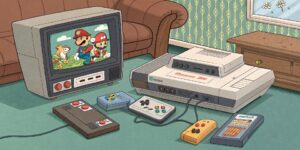
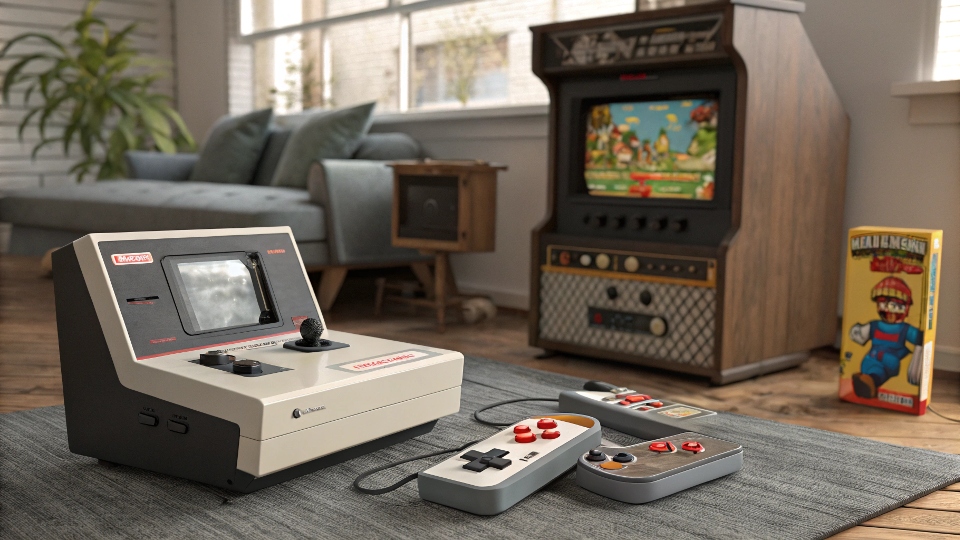

Growing up playing "Contra," every life felt precious. The sense of achievement afterward was unmatched by many modern games today. Retro games, limited by technology, often had incredibly creative gameplay mechanics like "Tetris" and "Pac-Man." Yet, their flaws—rough graphics, high difficulty, or unfair level design—could push players away.
Retro games appeal through nostalgia, simplicity, and challenge, but their outdated visuals and unforgiving mechanics frustrate new players. Classics like "Super Mario Bros." and "The Legend of Zelda" endure due to timeless design, while others suffer from unbalanced difficulty.
Despite flaws, retro games hold a special place in gaming history. They remind us of gaming's roots while exposing the trade-offs between charm and modern convenience.
Why Is Retro Gaming the Best?
Ever feel overwhelmed by today's complex, open-world games? Retro titles strip away the clutter, focusing on pure, refined gameplay.
Retro gaming thrives on simplicity, rewarding skill and patience. Games like "Mega Man" and "Donkey Kong" offer clear goals and tight controls, creating satisfying mastery loops.
The Strengths of Retro Gaming
- Instant Accessibility: No tutorials or bloated menus—just jump in and play.
- Challenge Over Cinematics: Progress depends on skill, not cutscenes.
- Creative Limitations: Developers innovated within strict hardware limits (e.g., "Space Invaders’" escalating difficulty).
Yet, modern conveniences like saves and adjustable difficulty were absent. Losing three lives often meant starting over—a design that feels punishing today.What Are the Benefits of Playing Retro Games?
Modern games dazzle with graphics, but retro games teach discipline. Can mastering pixelated platforms sharpen real-life problem-solving?
Playing retro games improves reflexes, pattern recognition, and persistence. Titles like "Tetris" boost brain agility, while RPGs like "Final Fantasy" foster strategic thinking.
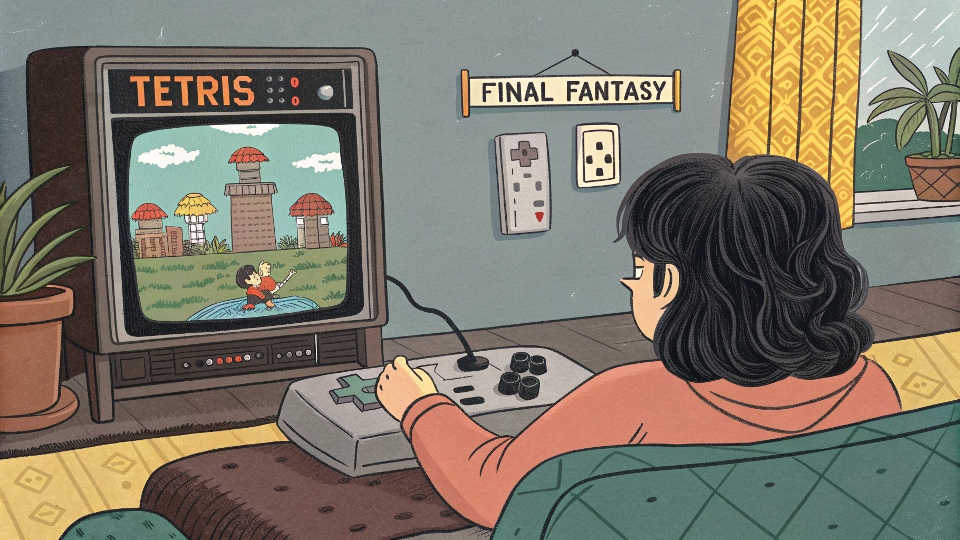
Cognitive and Emotional Perks
Aspect Benefit Example Hand-Eye Coordination Sharpens quick decision-making "Galaga’s" rapid enemy waves Patience Rewards trial-and-error learning "Ghosts ’n Goblins’" brutal levels Nostalgia Triggers positive memories Replaying childhood favorites
However, excessive difficulty can deter newcomers. Modern "remastered" editions often balance old-school appeal with quality-of-life fixes.
Why Do People Like Retro?
Why pay for 8-bit pixels when 4K realism exists? Nostalgia isn’t the only draw—retro games offer something timeless.
Retro games evoke childhood joy and communal memories (arcades, couch co-op). Their aesthetics and soundtracks also inspire indie developers today.
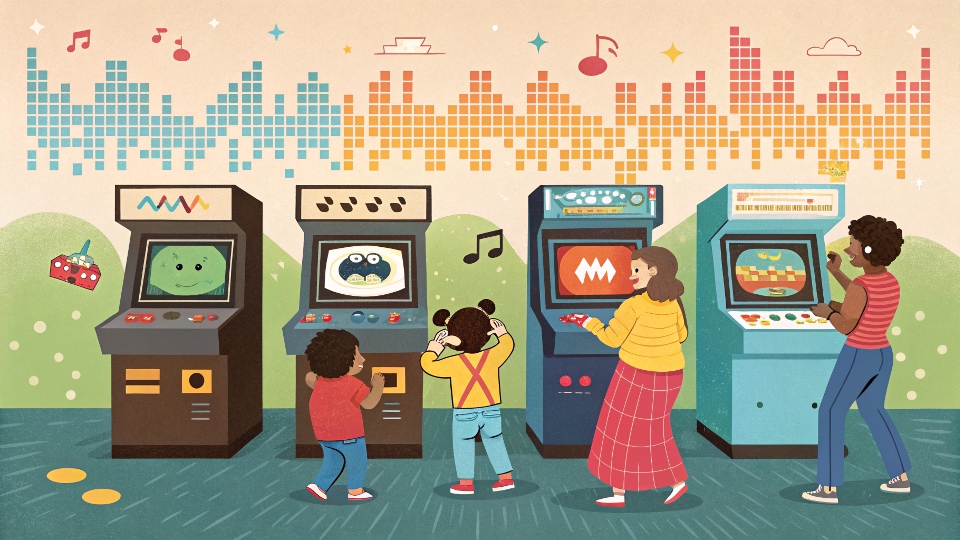
The Nostalgia Effect vs. Actual Quality
- Cultural Icons: Characters like Mario and Sonic are embedded in pop culture.
- Shared Experiences: Multiplayer gems like "Street Fighter II" fostered social bonding.
- Indie Revival: Games like "Shovel Knight" mimic retro styles but polish rough edges.
Still, rose-tinted glasses can overlook flaws. Some classics feel dated compared to modern masterpieces.What Are the Best Retro Games?
With thousands of classics, which ones still hold up? The best retro games marry innovation with enduring fun.
Top-tier retro games include "Super Metroid" (atmospheric exploration), "Chrono Trigger" (branching narratives), and "Street Fighter II" (competitive depth). Their design philosophies influence games today.
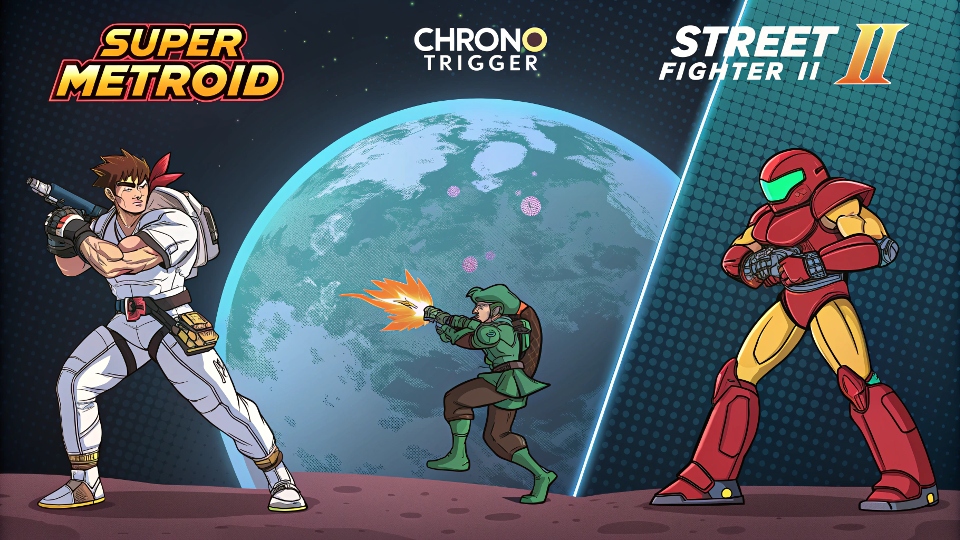
Must-Play Titles by Genre
| Genre | Game | Why It’s Great |
|---|---|---|
| Platformer | "Super Mario Bros. 3" | Perfect level design, creative power-ups |
| Puzzle | "Dr. Mario" | Addictive, easy-to-learn mechanics |
| RPG | "EarthBound" | Quirky humor, emotional storytelling |
| Action | "Castlevania: SOTN" | Gothic mood, non-linear progression |
Avoid "bad" retro games with broken mechanics (e.g., "E.T." for Atari). Emulators and compilations make curating the best easier.
Conclusion
Retro games charm with simplicity and challenge but frustrate with dated tech. Their legacy lies in timeless design, not just nostalgia. For gamers like John, balancing retro appeal with modern reliability is key.